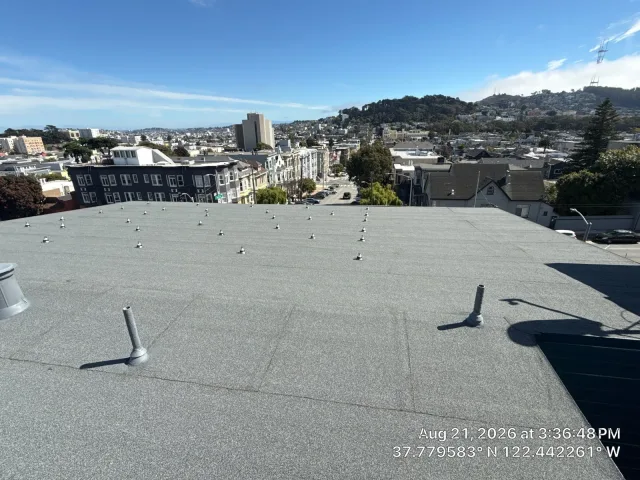
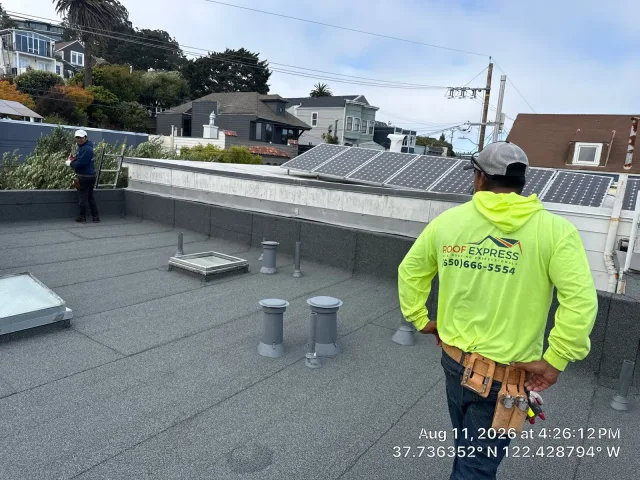
Vent pipe waterproofing prevents roof leaks
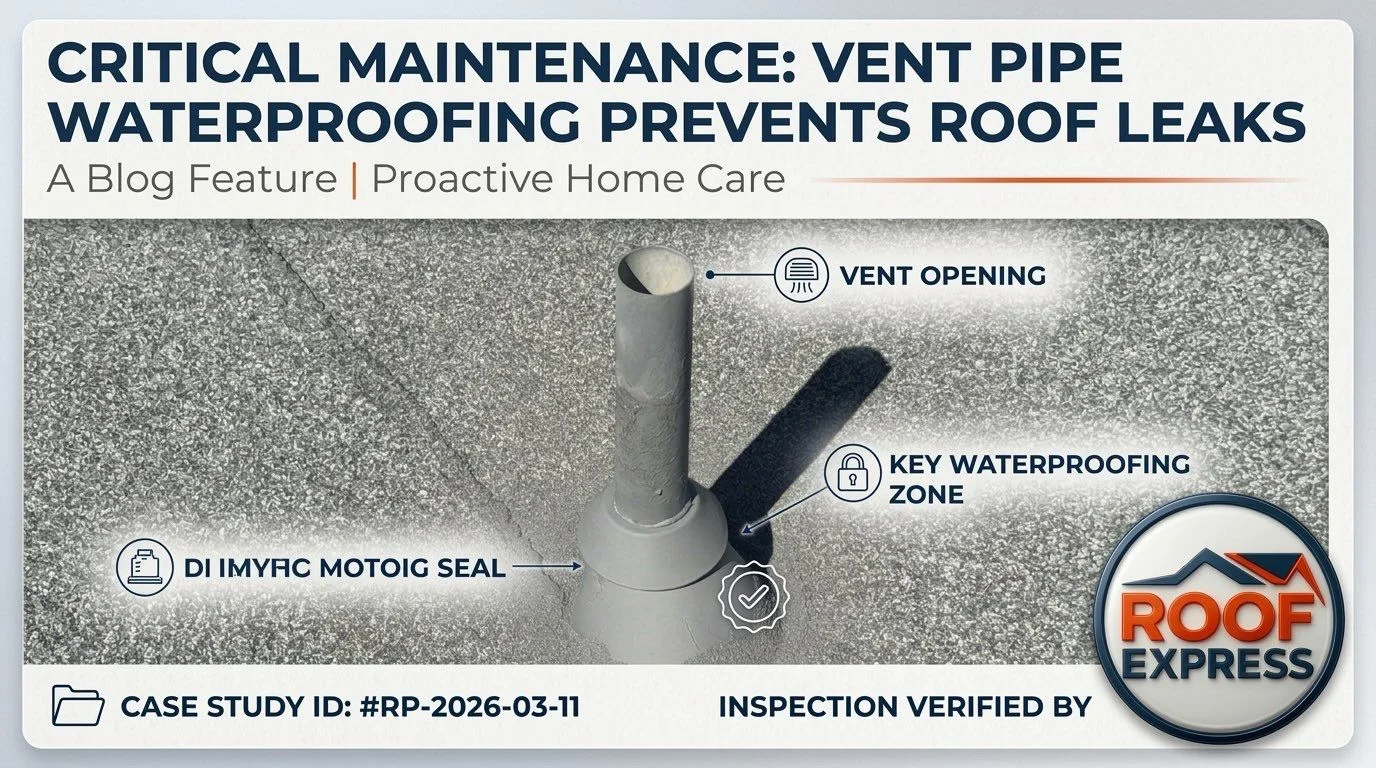
—-Introduction
Roof penetrations such as plumbing vent pipes are one of the most vulnerable points on any roofing system. While a roof surface may appear strong and durable, even a small opening around a pipe can allow water to penetrate the roofing structure if it is not properly waterproofed. For homeowners and property managers, understanding the importance of waterproofing around vent pipes can prevent costly repairs and structural damage.
At ROOF EXPRESS, we regularly inspect roofs across the Bay Area and often find that leaks originate not from the main roofing material, but from poorly sealed penetrations like vent pipes.
What Is a Roof Vent Pipe?
A roof vent pipe is part of the plumbing system of a home. It allows sewer gases to escape and balances pressure within the plumbing system so water can drain properly from sinks, showers, and toilets.
These pipes extend through the roof surface, which means the roofing membrane must be carefully sealed around them to maintain a watertight barrier.
Why Waterproofing Around Vent Pipes Matters
Prevents Water Intrusion
When a pipe penetrates the roof, it interrupts the continuous waterproof layer of the roofing system. Without proper flashing and sealing, rainwater can enter through this gap and seep into the structure below.
Protects the Roof Deck
Water that enters through poorly sealed penetrations can damage the roof deck, insulation, and interior ceilings. Over time, this moisture can cause wood rot, mold growth, and structural deterioration.
Extends Roof Lifespan
Proper waterproofing helps maintain the integrity of the roofing system. A well-sealed vent pipe prevents premature deterioration of roofing materials and extends the overall lifespan of the roof.
Professional Waterproofing Process
Experienced roofing contractors follow a detailed process to ensure vent pipes are fully protected from water intrusion:
Install Proper Pipe Flashing A durable flashing boot is installed around the pipe to create the first layer of protection.
Integrate Flashing with Roofing Membrane The flashing must be properly integrated with the roofing material such as shingles, modified bitumen, or membrane systems.
Apply High-Quality Sealants Professional roofing sealants or mastics are applied to reinforce the waterproof barrier.
Reinforce with Membrane or Fabric Additional layers of roofing membrane or reinforcement fabric help strengthen the seal.
Ensure Proper Drainage The area around the pipe must allow water to flow away easily to prevent ponding.
Common Signs of Vent Pipe Waterproofing Failure
Homeowners should watch for these warning signs:
Cracked sealant around the pipe
Loose or deteriorated flashing
Water stains on ceilings
Mold or moisture in attic areas
Visible cracks in the roof surface near the pipe
Early detection can prevent major repairs and protect the home’s structure.
Why Professional Inspection Matters
Roof penetrations require specialized knowledge and materials to seal properly. Improper repairs using incompatible sealants or temporary patches often lead to recurring leaks.
A professional roofing inspection ensures that all penetrations—including vent pipes, skylights, and HVAC units—are properly waterproofed and integrated into the roofing system.
Protect Your Roof with Professional Roofing Services
Vent pipe waterproofing may seem like a small detail, but it plays a major role in protecting your home from water damage. Regular inspections and professional maintenance can prevent leaks and extend the life of your roof.
ROOF EXPRESS provides expert roof inspections, repairs, and waterproofing services throughout the Bay Area.
If you notice signs of roof leaks or need a professional roof evaluation, contact ROOF EXPRESS today for trusted roofing solutions and reliable service. 🏠🔧