Roof Replacement in San Francisco, CA
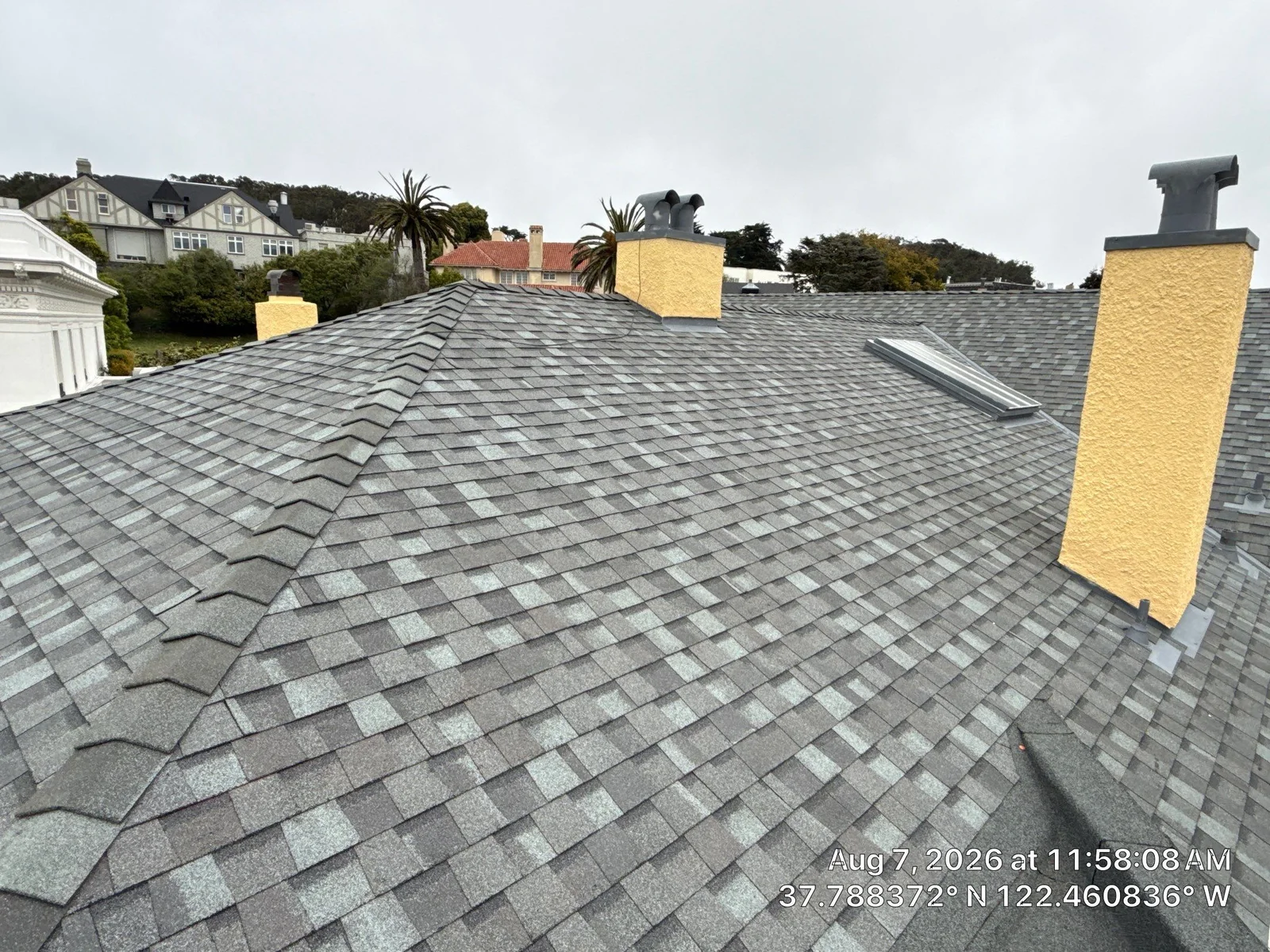
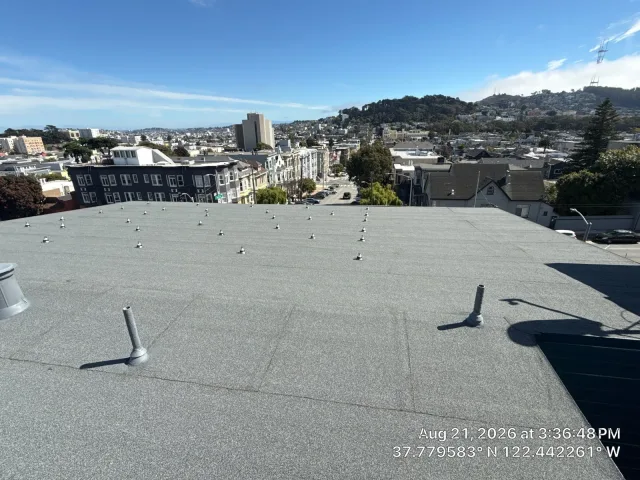
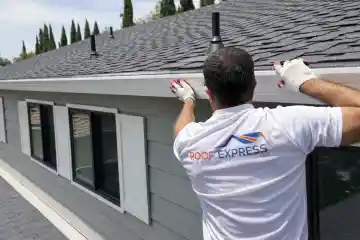
Image for a ROOF EXPRESS Field Note about roof replacement for San Francisco, California.
This image accompanies a ROOF EXPRESS Field Note about roof replacement for San Francisco, California. It is part of our collection of roofing guides and field notes.
Complete Homeowner Guide A roof replacement in San Francisco requires more than simply removing old roofing material and installing a new roof.
San Francisco homes present roofing contractors with unique conditions. The city has dense neighborhoods, older Victorian and Edwardian buildings, attached properties, narrow access areas, flat and low-slope roofs, skylights, rooftop decks, chimneys, parapet walls, fog, coastal moisture, wind, and complicated roof-to-wall transitions.
Because of these factors, choosing the right roofing system — and the right San Francisco roofing contractor — can make a major difference in how your new roof performs over the years.
At Roof Express, we provide professional residential roof replacement throughout San Francisco and the surrounding Bay Area. Our goal is to evaluate the entire roofing system rather than simply covering visible problems.
In this complete guide, we'll explain when to replace your roof, what a professional reroofing project should include, roofing material options, San Francisco permit considerations, flat-roof replacement, skylights, roof decking, costs, project timelines, and how to choose a qualified roofing contractor. When Should You Replace Your Roof in San Francisco? A roof does not necessarily need replacement simply because it develops one leak.
Some isolated roofing problems can be successfully repaired.
However, once deterioration becomes widespread or the roofing system reaches the later stages of its service life, continuing to perform temporary repairs can become expensive and unreliable.
Common signs that you may need a roof replacement in San Francisco include:
Repeated roof leaks
Missing or damaged shingles
Cracked, curled, or deteriorated shingles
Significant granule loss
Open seams in flat roofing
Blisters or bubbles in roofing membranes
Deteriorated roof flashing
Soft or damaged plywood
Dry rot around roof penetrations
Ponding water on low-slope roofs
Water stains on ceilings or walls
Deterioration around skylights
Damaged chimney or parapet flashing
Multiple previous roof patches
Roofing approaching the end of its useful service life
Leaks appearing in several different areas
If repairs are required every rainy season, it may be time to evaluate whether replacing the entire roofing system is more practical. Why San Francisco Roofs Are Different San Francisco is one of the most unique roofing markets in California.
Homes located only a few blocks apart can have completely different roofing systems.
You may find:
Victorian homes with steep pitched roofs
Edwardian buildings
Multi-unit residential buildings
Flat-roof homes
Low-slope roofs
Combination pitched and flat roofing
Asphalt shingle roofs
Modified bitumen roofs
Skylights and custom skylights
Rooftop decks
Parapet walls
Closely attached neighboring roofs
A roofing contractor working in San Francisco must understand how these different components interact. Coastal Moisture and Fog San Francisco's climate can expose roofs to frequent fog and moisture even when it isn't raining.
Water management is therefore extremely important.
Details around flashing, drains, scuppers, skylights, walls, chimneys, vents, and roof edges must be carefully installed. Wind Exposure Homes in exposed areas can experience significant wind.
- ●Roofing materials must be properly fastened and installed according to manufacturer requirements.
- ●Dense Properties
- ●Many San Francisco homes have little space between buildings.
Some properties share roof transitions or have extremely close neighboring structures.
This means contractors need to consider:
Neighboring property protection
Debris control
Material delivery
Roof access
Driveway or street access
Scaffolding
Ladders
Disposal
Protection of windows, siding, and landscaping
- ●Proper planning is especially important before tear-off begins.
- ●Flat Roof Replacement in San Francisco
- ●Flat and low-slope roofing is extremely common throughout San Francisco.
These roofs require different materials and installation techniques than standard pitched shingle roofs.
One of the biggest mistakes a homeowner can make is allowing a roofing material designed for steep-slope applications to be used in an inappropriate low-slope area. Modified Bitumen Roofing Modified bitumen systems are commonly used on San Francisco flat and low-slope residential roofs.
Depending on the particular system, installation may include multiple layers such as:
Base sheet
Reinforced membrane
Modified bitumen roofing membrane
Flashing membrane
Cap sheet or finished roofing layer
The exact system depends on the existing building, manufacturer, roof slope, substrate, drainage design, and project requirements. Flat Roof Drainage Is Critical Flat roofs are not usually completely flat.
They need sufficient drainage to move rainwater toward:
Roof drains
Scuppers
Gutters
Downspouts
If the existing roof has significant ponding, the drainage condition should be evaluated before installing the new roof.
Simply installing new roofing material over an area with a major drainage problem may not correct the underlying condition.
Depending on the roof, correcting drainage may involve:
Tapered materials
Crickets
Framing modifications
New sheathing
Drain modifications
Slope improvements
- ●Every property should be evaluated individually.
- ●Asphalt Shingle Roof Replacement in San Francisco
- ●Many pitched San Francisco homes use architectural asphalt shingles.
Modern architectural shingles offer homeowners numerous advantages:
Attractive appearance
Multiple colors and styles
Good weather resistance
Relatively efficient installation
Manufacturer warranty options
Compatibility with many San Francisco architectural styles
Premium shingles may also provide enhanced features such as solar-reflective technology or upgraded manufacturer warranty eligibility.
The quality of installation, however, is just as important as the shingle itself.
A premium roofing product installed over deteriorated plywood or improperly installed flashing may still develop problems. What Is Included in a Complete Roof Replacement? A professional San Francisco roof replacement should address the complete roofing assembly.
Here is what homeowners should expect. 1. Existing Roof Removal Existing roofing materials are removed from the areas included in the project.
Depending on the roof, tear-off can include:
Shingles
Modified bitumen
Underlayment
Existing fasteners
Flashing
Roofing accessories
Deteriorated membranes
Removing the existing roofing allows the contractor to see what is underneath. 2. Roof Deck Inspection Once the old roof is removed, the exposed roof deck should be inspected.
Roof sheathing may contain damage that was impossible to identify during the original exterior inspection.
Common concealed problems include:
Rotten plywood
Delamination
Dry rot
Water-damaged sheathing
Previous improper repairs
Damaged framing
Structural deficiencies
Damaged decking should be properly addressed before the new roofing system is installed. 3. Roof Deck Repairs If deteriorated sheathing is discovered, damaged sections may need replacement.
This is one reason homeowners should ask their contractor before signing a contract:
How much does additional plywood cost if damaged decking is discovered?
A professional roofing proposal should explain how concealed damage will be handled. 4. Underlayment Underlayment provides an additional protective layer between the roof deck and finished roofing material.
Depending on the roofing system, this may include modern synthetic roofing underlayment or another manufacturer-approved product.
Underlayment plays an important part in the complete roofing system. 5. Waterproofing Critical Areas Additional waterproofing protection may be installed around vulnerable roof areas including:
Valleys
Roof penetrations
Skylights
Eaves
Chimneys
Roof-to-wall connections
Low-slope transitions
These are often the places where leaks develop first. 6. Flashing Installation Flashing is one of the most important components of a roof.
Flashing directs water away from joints and transitions where roofing materials meet another surface.
San Francisco homes can have complicated flashing conditions involving:
Parapet walls
Chimneys
Skylights
Neighboring walls
Plumbing vents
HVAC penetrations
Roof-to-wall transitions
Sidewalls
Headwalls
Poor flashing installation can cause leakage even when the main roofing material remains in excellent condition. 7. New Roofing Installation After the roof deck and waterproofing details are prepared, the new roofing system is installed according to the manufacturer's applicable installation instructions.
Depending on the property, this may include:
Architectural shingles
Modified bitumen roofing
Low-slope membranes
Combination roofing systems
8. Roof Penetrations Every penetration through the roof needs proper integration with the roofing system.
Examples include:
Plumbing vents
Exhaust vents
Skylights
Chimneys
Roof drains
HVAC equipment
Electrical penetrations
Solar-related components
These areas should be carefully inspected during reroofing. 9. Cleanup Roof replacement produces a significant amount of debris.
Professional cleanup should include removing roofing debris and checking work areas around the property.
Because San Francisco properties frequently have narrow side yards and neighboring buildings, debris management is especially important. 10. Final Inspection Once construction is complete, the contractor should review the finished roofing installation.
Projects requiring a building permit must also complete the applicable City inspection process.
San Francisco's Department of Building Inspection allows reroofing inspections associated with permits to be requested through PermitSF. Do You Need a Permit for Roof Replacement in San Francisco? This is an important question.
Under San Francisco's current Building Code, reroofing can be exempt from a building permit when no roof sheathing is installed, repaired, or removed and the reroofed area does not exceed 25% of the entire roof surface within a 12-month period.
That means a typical full roof replacement in San Francisco generally requires a building permit.
Permit requirements can become more complicated when work involves:
Roof sheathing
Structural alterations
Historic properties
Major roof modifications
Rooftop equipment
Changes to drainage
Solar systems
Fire-safety considerations
Other exterior alterations
Certain historic buildings may also require additional Planning review when the roofing project changes the roof structure or sheathing.
Your roofing contractor should evaluate the permit requirements before beginning work. San Francisco Cool Roof Requirements Roof replacement in San Francisco may also involve applicable California energy-efficiency and cool roof requirements.
The exact requirements can depend on factors including:
Roof slope
Roofing area
Building type
Scope of construction
Roofing product
Applicable energy-code provisions
For applicable projects, roofing materials may need to meet specified solar reflectance and thermal emittance requirements.
Because codes change over time and different buildings can qualify for different exceptions or requirements, the roofing system should be confirmed for the particular property before installation. Roof Replacement on Historic San Francisco Homes San Francisco contains thousands of older and architecturally distinctive buildings.
If you own a Victorian, Edwardian, or historically significant home, roofing work may require additional planning.
A historic roof can include:
Unusual roof slopes
Decorative architectural elements
Turrets
Dormers
Multiple valleys
Custom gutters
Complex flashing
Old framing
Multiple previous roof layers
Historic properties can also be subject to additional review depending on the scope of exterior alterations.
This is another reason why homeowners should avoid assuming that every San Francisco reroof is a simple one- or two-day shingle installation. Should You Replace Skylights During Roof Replacement? Roof replacement is one of the best times to evaluate existing skylights.
Removing an old roof provides access to skylight flashing, curbs, surrounding framing, and decking.
Older skylights may have:
Deteriorated seals
Damaged glazing
Corroded metal
Failed flashing
Rotten curbs
Deteriorated surrounding plywood
Previous patches
Interior water staining
If a skylight is already near the end of its useful life, replacing it at the same time as the roof can be more efficient than disturbing a newly installed roofing system several years later.
San Francisco also has many custom skylights that cannot always be replaced with a standard off-the-shelf unit.
In these cases, measurements and product availability should be confirmed before the roof replacement begins. What About Roof-to-Wall and Neighboring Roof Connections? This issue is particularly important in San Francisco.
Homes are frequently constructed extremely close together, and some roof areas connect directly against neighboring walls or roofs.
These areas can create complicated waterproofing conditions.
A contractor should evaluate:
Existing wall flashing
Counterflashing
Siding condition
Neighboring roofing
Parapet walls
Drainage
Property access
Waterproofing transitions
When work requires access to a neighboring property, the homeowner should determine whether permission is required before construction begins.
- ●These details should be discussed before tear-off, not after the roofing project is underway.
- ●How Much Does Roof Replacement Cost in San Francisco?
- ●There is no reliable single price for every San Francisco roof.
Two homes with the same roof square footage can have dramatically different project costs.
Factors affecting San Francisco roof replacement cost include: Roof Size More roofing area means additional labor, material, disposal, and installation time. Roof Type A pitched asphalt shingle roof has different installation requirements than a multi-layer low-slope roofing system. Existing Roofing Layers Multiple existing layers may increase tear-off and disposal costs.
Roof Access San Francisco access conditions can greatly affect labor.
Some homes have:
No driveway
Narrow side access
Steep streets
Limited parking
Multi-story roof access
Neighboring buildings very close to the property
Roof Height Working on a three-story San Francisco home can require substantially more safety preparation than reroofing a single-story building. Roof Complexity Roof cost may increase when a building contains:
Multiple skylights
Chimneys
Dormers
Valleys
Parapet walls
Roof decks
Multiple roof elevations
Difficult transitions
Plywood Damage Decking deterioration usually cannot be fully identified until tear-off.
- ●Extensive dry rot or damaged framing can increase the scope of work.
- ●Roofing Materials
- ●Different materials have different costs.
Standard architectural shingles and premium shingles do not cost the same.
Likewise, a multi-layer modified bitumen system has different material and labor requirements than shingles. Permits Applicable City permit and inspection requirements should also be considered.
The most accurate way to determine your roof replacement price is through an on-site roof inspection followed by a detailed written proposal. How Long Does Roof Replacement Take in San Francisco? A typical residential roof replacement may take several working days, but there is no universal timeline.
Project length depends on:
Roof size
Roof height
Roofing system
Roof complexity
Existing roofing layers
Access
Decking repairs
Skylights
Weather
Structural repairs
Permit requirements
Required inspections
A simple roof can progress relatively quickly.
A complicated multi-story San Francisco property with multiple skylights, flat roof sections, parapets, and significant plywood replacement can take considerably longer. What Happens if It Rains During Roof Replacement? Weather monitoring is an important part of roofing operations.
Contractors should avoid exposing more of the roof than can be properly protected when rain is expected.
San Francisco roofing schedules may change during periods of wet weather.
Homeowners should understand that a weather-related schedule adjustment is often made to protect the property rather than simply to delay the project. Roof Repair vs. Full Roof Replacement Sometimes a roof repair is enough. Roof Repair May Make Sense When:
The roof is relatively new
Damage is isolated
Only one flashing area has failed
Only a few shingles are damaged
Most of the roofing system remains in good condition
Roof Replacement May Make More Sense When:
The roof has recurring leaks
Roofing is deteriorated throughout
Numerous previous repairs are visible
The roof is approaching the end of its expected service life
Multiple areas are leaking
Significant membrane deterioration exists
Roof decking has widespread damage
Repair expenses continue increasing
A professional contractor should explain your options rather than automatically recommending complete replacement. Questions to Ask a San Francisco Roofing Contractor Before hiring a roofing contractor, ask detailed questions. Is the Contractor Licensed?
Verify that your contractor holds the appropriate California contractor license. Is the Contractor Insured? Ask about applicable workers' compensation and general liability insurance.
What Roofing System Will Be Installed? The proposal should identify the roofing system and important materials. Does the Price Include Tear-Off?
Do not assume.
Make sure removal and disposal are clearly stated. What Happens if Rotten Plywood Is Found? Understand additional decking pricing before construction begins.
Who Handles the Permit? Determine whether the contractor will obtain and coordinate the required roofing permit and inspections. What Is the Workmanship Warranty?
Ask exactly how long installation workmanship is covered. What Manufacturer Warranty Is Included? Manufacturer warranties and contractor workmanship warranties are different.
- ●Ask for both.
- ●What Is Excluded?
- ●A professional contract should clearly identify exclusions.
- ●Don't Compare Roofing Estimates Based Only on Price
- ●Roofing proposals can appear similar while including very different scopes of work.
For example, one proposal might include:
Complete tear-off
Premium underlayment
Waterproofing
New flashing
Vent replacement
Permit coordination
Deck inspection
Disposal
Manufacturer warranty
Another quote may only state:
“Remove existing roof and install new roof.”
Those are not necessarily equivalent proposals.
Before choosing a contractor, compare:
Materials
Roof system
Underlayment
Flashing
Decking terms
Ventilation
Skylights
Permit
Disposal
Warranty
Cleanup
Exclusions
- ●The lowest initial price is not always the lowest long-term roofing cost.
- ●San Francisco Neighborhoods We Serve
- ●Roof Express provides roofing services throughout San Francisco, including:
Sunset District
Outer Sunset
Inner Sunset
Richmond District
Outer Richmond
Inner Richmond
Noe Valley
Bernal Heights
Glen Park
Excelsior
Mission District
Marina District
Pacific Heights
Potrero Hill
Russian Hill
Nob Hill
Twin Peaks
West Portal
Ingleside
Visitacion Valley
Bayview
Hunters Point
Haight-Ashbury
Cole Valley
Castro District
Diamond Heights
Presidio Heights
North Beach
SOMA
Oceanview
Crocker-Amazon
Every neighborhood has different building types, exposure conditions, access challenges, and roofing designs.
An on-site evaluation remains the best way to recommend the correct roofing system. How to Prepare Your Home for Roof Replacement Before construction begins, homeowners can make the process easier by preparing the property.
Consider:
Moving vehicles away from the work area
Providing clear property access
Moving patio furniture
Protecting fragile landscaping
Removing fragile wall decorations
Protecting items stored in the attic
Keeping pets and children away from work zones
Informing tenants about construction
Providing gate access where required
Discussing neighbor access in advance
Identifying rooftop equipment
Discussing skylights before material ordering
Identifying solar equipment
Roof replacement creates vibration, noise, and debris.
- ●Preparing before construction helps reduce surprises.
- ●Why the Complete Roofing System Matters
- ●A roof is much more than the material visible from the street.
A complete roofing system includes:
Roof deck → waterproofing → underlayment → flashing → finished roofing → penetrations → ventilation → drainage
Every part must work together.
A premium roofing membrane cannot compensate for severely deteriorated decking.
Expensive shingles cannot stop water entering through incorrectly installed flashing.
And a new flat roof may continue experiencing problems if significant drainage conditions are ignored.
The quality of both the roofing system and the installation matters. Why Choose Roof Express for Roof Replacement in San Francisco? When you're investing in a new roof, you need a contractor who understands San Francisco properties.
Roof Express provides professional roof inspections, roof replacement, flat roofing, asphalt shingle roofing, skylight replacement, flashing work, waterproofing, roof decking replacement, gutters, and other roofing services throughout San Francisco and the Bay Area.
We work with both pitched and low-slope roofing systems and understand the challenges associated with San Francisco's older buildings, tight access, complicated roof transitions, skylights, attached structures, and flat roofs.
Roof Express operates under General Express Construction DBA Roof Express, California CSLB License No. 1072766. Schedule a Roof Replacement Estimate in San Francisco If your roof is leaking, deteriorating, or approaching the end of its expected life, don't wait until minor roofing problems cause major interior damage.
Schedule a professional roof inspection with Roof Express.
We can evaluate your:
Existing roofing
Roof deck
Flashing
Skylights
Flat roof sections
Roof drainage
Penetrations
Gutters
Ventilation
Visible problem areas
After the inspection, we can provide a detailed roofing proposal based on your property's actual conditions.
Looking for a reliable roof replacement contractor in San Francisco, CA? Contact Roof Express today to schedule your roof inspection and request an estimate. Frequently Asked Questions About Roof Replacement in San FranciscoDo I need a permit to replace my roof in San Francisco?
A typical complete reroof generally requires a building permit. Under the San Francisco Building Code, limited reroofing not exceeding 25% of the roof surface within a 12-month period can qualify for a permit exemption when no roof sheathing is installed, repaired, or removed. What type of roof is best for San Francisco?
It depends on the building and roof slope. Architectural asphalt shingles are commonly used on pitched roofs, while modified bitumen and other low-slope systems are commonly used on flat and low-slope roofs. How much does a new roof cost in San Francisco?
Pricing depends on roof size, roofing material, height, access, complexity, number of existing layers, decking condition, skylights, flashing, permits, and other project conditions. An on-site inspection is the best way to obtain accurate pricing. How long does a roof replacement take?
Many residential roofing projects can be completed within several working days. Large or complicated properties, substantial dry rot, weather delays, specialty materials, skylights, or structural repairs may extend the schedule. Can you replace a flat roof in San Francisco?
Yes. Flat and low-slope roofing is common in San Francisco. The correct roofing system should be selected based on roof slope, drainage, existing conditions, and building requirements.
Should I replace my skylights when replacing my roof? Older skylights should be evaluated during reroofing. If a skylight is already deteriorated or approaching the end of its useful life, replacing it during roof construction may be more practical than disturbing a new roof later.
Can you install a new roof over my existing roof? Whether an overlay is appropriate depends on existing roofing layers, roof conditions, applicable codes, manufacturer requirements, weight, drainage, and the roofing system being installed. Complete tear-off also allows the roof deck to be inspected.
What happens if rotten plywood is discovered? Deteriorated decking should be replaced as necessary to provide a suitable substrate for the roofing system. Your contract should explain how additional decking replacement will be priced and approved.
Does San Francisco require roof inspections after replacement? Permitted projects are subject to applicable City inspection requirements. San Francisco DBI currently allows reroofing inspections for PermitSF-issued permits to be requested through the PermitSF dashboard.
Can Roof Express work on both shingles and flat roofing? Yes. Roof Express performs pitched shingle roofing as well as flat and low-slope roofing systems, allowing combination-roof properties to be evaluated as a complete roofing system.
How do I get a roof replacement estimate? Contact Roof Express to schedule a roof inspection. We will inspect the visible roof conditions and provide a written proposal based on the recommended scope of work.