Flat Roof Project Completed in San Francisco: Torch-Down Installation, Timeline, Cost Factors & Maintenance Tips (2026 Guide)
A flat roof project in San Francisco isn’t just a “replace and forget” job. Between coastal fog, wind-driven rain, UV exposure, and older building conditions, a properly completed flat roof needs the right system, the right details, and clean workmanship from start to finish.
In this blog, we’ll walk through what a completed flat roof project in San Francisco looks like—step by step—so homeowners and property managers understand the process, what affects price, how long it takes, and how to protect the roof for the long run.
Quick Summary of the Flat Roof Completion (San Francisco)
A completed flat roof project typically includes:
Tear-off of old roofing (if needed) and proper debris disposal
Deck inspection and repairs (dry rot / damaged plywood replacement)
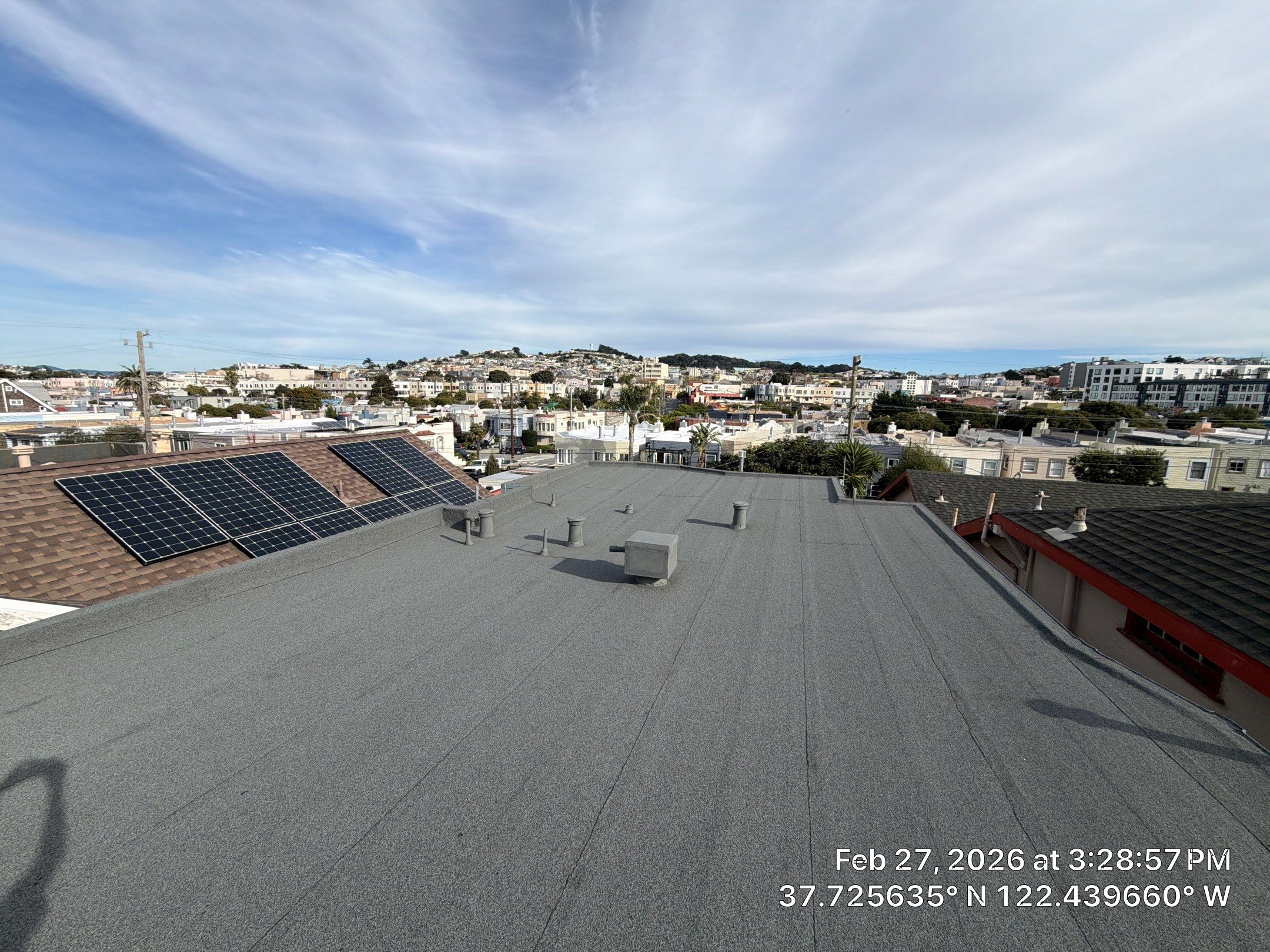
New base sheet + cap sheet installation (commonly torch-down modified bitumen)
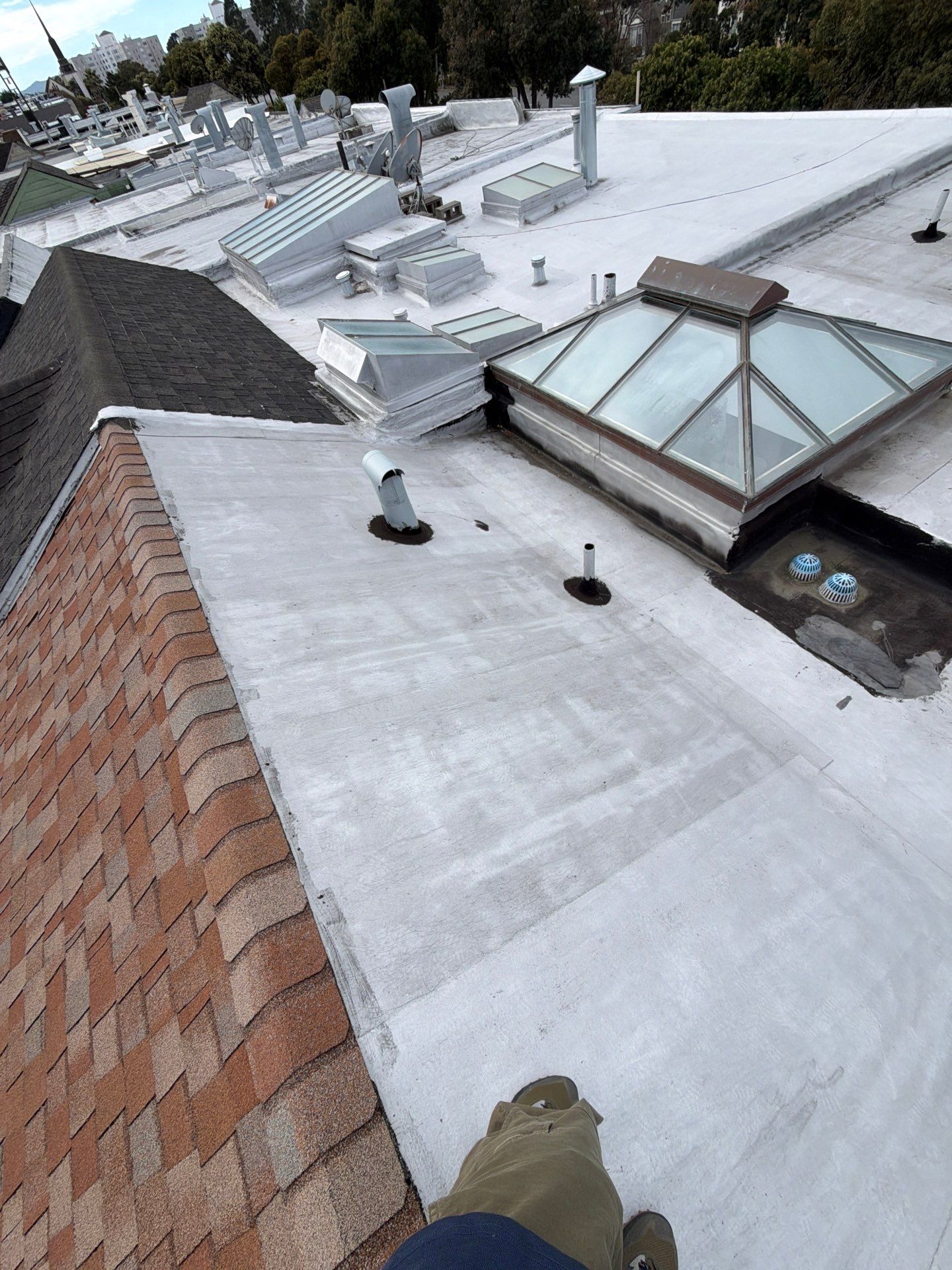
New flashings at all walls, skylights, vents, and parapets
Drainage corrections (scuppers, internal drains, crickets/saddles)
Final waterproofing checks and clean finish details
This is how you get a flat roof that performs in San Francisco conditions—especially during winter storms.
Why Flat Roofs in San Francisco Need Special Attention
San Francisco has unique conditions that impact flat roofing performance:
Moisture exposure: fog, marine layer, and damp mornings
Wind: stronger gusts can lift poorly sealed edges and flashings
Older structures: many buildings have aging roof decks and parapet walls
Drainage challenges: flat roofs must move water efficiently to drains/scuppers
Because of this, the biggest failures we see are not the field membrane—it’s the details (edges, flashings, terminations, and drainage).
Completed Flat Roof System Used Most Often: Torch-Down Modified Bitumen
One of the most common high-performing flat roof systems in San Francisco is modified bitumen torch-down (often installed as a 2-ply system):
1) Base Sheet (Foundation Layer)
Mechanically fastened or adhered to the deck
Creates stability and separation from the substrate
2) Cap Sheet (Top Waterproof Layer)
Heat-welded (torch-applied) to create sealed overlaps
Granulated surface protects against UV and weather
Why it’s popular in SF: It’s durable, repairable, and handles fluctuating moisture conditions well when installed correctly.
Flat Roof Project Completion: Step-by-Step Process 1) Site Protection + Setup
Before work begins, the crew protects:
walkways, landscaping, and siding
neighbor-sensitive areas (tight property lines are common in SF)
attic/indoor spaces from debris and dust (where applicable)
2) Tear-Off (If Needed)
If the roof has:
multiple layers,
trapped moisture,
brittle cracking,
or poor prior workmanship,
a full removal is often the best long-term choice. After tear-off, we inspect the deck closely.
3) Deck Inspection + Plywood Replacement
This is a critical part of a “completion” done right.
Common findings in SF:
soft spots near drains/scuppers
dry rot at parapet walls
damaged decking around vent penetrations
Any compromised sheathing gets replaced so the new system isn’t installed over weak structure.
4) Underlayment / Base Sheet Installation
Base sheet is installed with correct attachment and alignment, ensuring:
straight overlaps
proper fastening patterns
a smooth surface (no bubbles or ridges)
5) Cap Sheet Torch-Down Installation
This is where skill matters.
A proper torch-down finish includes:
fully sealed laps (no voids)
consistent heat-welding
clean edges and terminations
reinforced areas at transitions
6) Flashings & Waterproof Details (The “Make or Break” Stage)
The roof field can look perfect—but flashings are what stop leaks.
Completed projects typically include:
wall-to-roof transitions
parapet cap or termination bar installs
vent pipe flashings
skylight curbs properly sealed
counterflashing where required
7) Drainage Improvements
Standing water destroys flat roofs early.
A quality completion addresses:
slope corrections (tapered build-up where needed)
crickets behind chimneys or large curbs
scupper rework or drain upgrades
ensuring clean, open water paths
8) Final Walkthrough + Cleanup
A completed flat roof job should finish with:
magnet sweep for nails and fasteners
clean perimeter edges
photo documentation (great for warranty + insurance records)
maintenance recommendations
How Long Does a Flat Roof Project Take in San Francisco?
Most flat roof projects take:
1–3 days for smaller residential flat sections
3–7 days for larger homes, multi-level buildings, or roofs needing deck repairs
Timeline depends on:
roof size and access
tear-off layers
sheathing replacement needs
weather windows (SF wind/fog can affect certain steps)
Flat Roof Cost Factors in San Francisco
Flat roof pricing can vary widely because of building conditions and access.
Key cost drivers include:
total square footage and number of levels
tear-off vs overlay
amount of deck repair required
number of penetrations (skylights/vents/HVAC)
parapet walls and flashing complexity
permit requirements (when applicable)
If you want, I can create a second blog post specifically titled “Flat Roof Replacement Cost in San Francisco (2026 Pricing Guide)” that’s structured for high-converting SEO.
Flat Roof Maintenance Tips After Completion
To extend the life of a completed flat roof:
Clear drains & scuppers before and during the rainy season
Inspect after storms (especially wind events)
Check flashing seal points annually
Avoid unapproved penetrations (satellite mounts, random fasteners)
Schedule a professional roof inspection every 12–24 months
A small repair early is much cheaper than water damage later.
Signs Your Flat Roof Needs Repair (Even After a New Install)
Call a roofer if you notice:
ponding water that lasts longer than 48 hours after rain
lifting seams or wrinkling
cracks around penetrations
interior ceiling stains or musty smell
granule loss and exposed bitumen
Flat Roof Project Completed in San Francisco? Get a Professional Inspection
If you’ve recently completed a flat roof project—or you’re planning one—getting the details right is everything. The difference between a roof that lasts 10–20+ years and one that leaks in year one is usually in the workmanship: flashings, drainage, and correct sealing.
Need a flat roof inspection or quote in San Francisco?
ROOF EXPRESS can document your roof condition, provide photo reports, and recommend the best system for your building and budget.