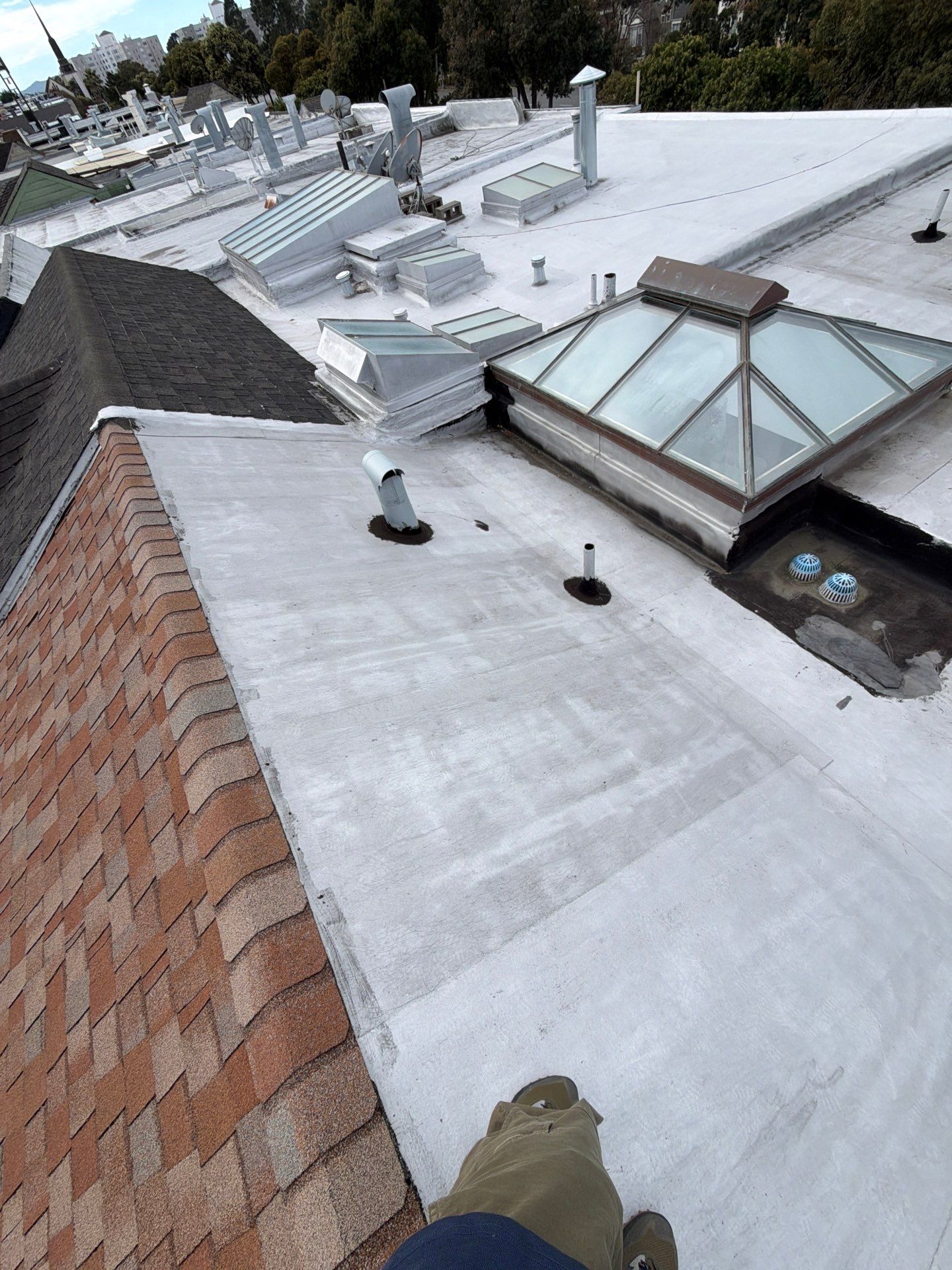
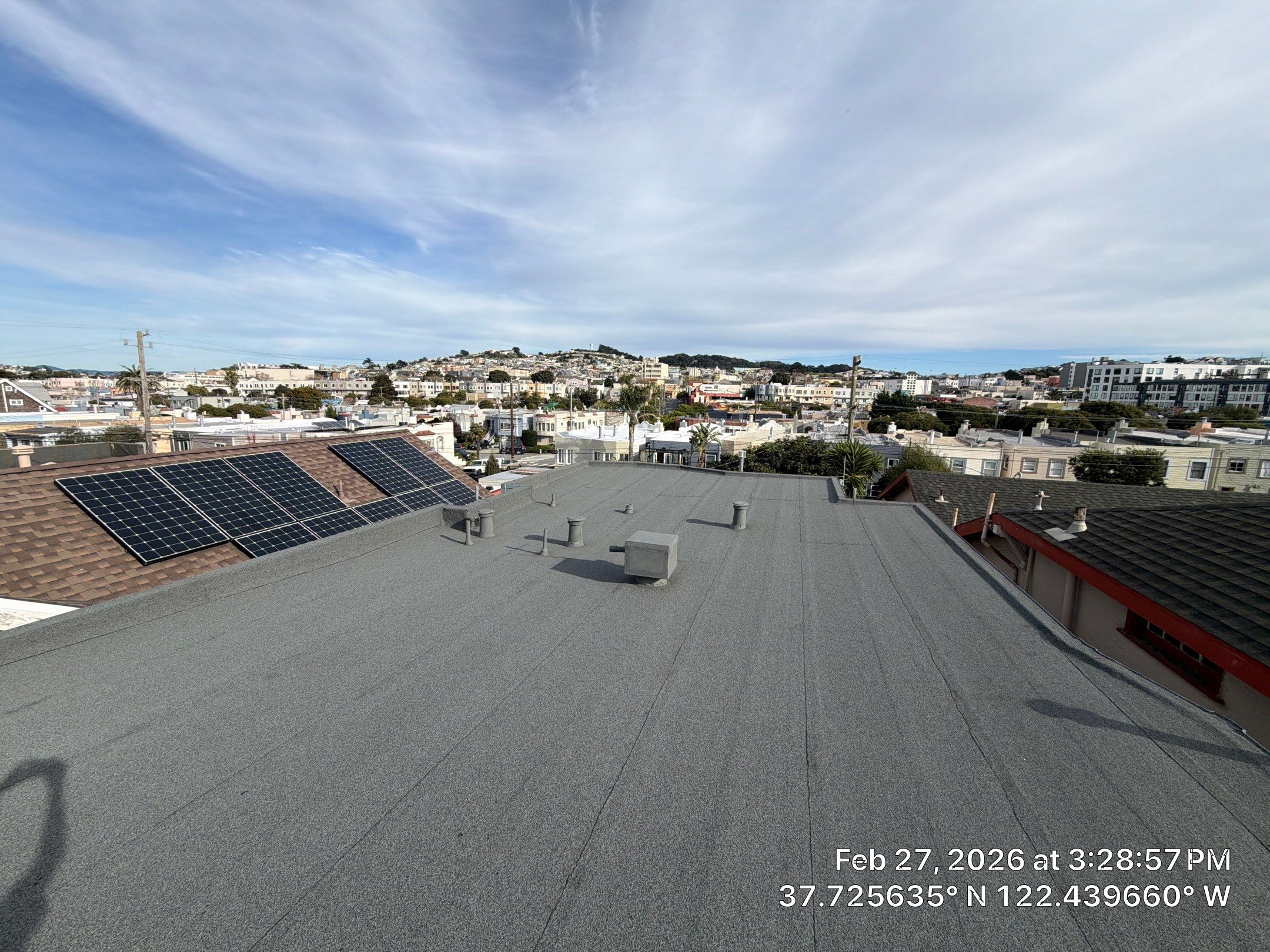
Leak Detection Services in San Francisco & the Bay Area Fast, Accurate Roof Leak Detection by Roof Express
A small roof leak can turn into major damage fast—rotted plywood, mold, stained ceilings, ruined insulation, and expensive interior repairs. The tricky part? Water rarely drips where it enters. That’s why professional roof leak detection matters: we trace the source of the leak and recommend the right fix (not guesswork).
At Roof Express, we provide roof leak detection across San Francisco and the Bay Area, helping homeowners and property managers find leaks early and stop water intrusion before it becomes a bigger problem.
What Is Roof Leak Detection?
Roof leak detection is the process of locating where water is entering your roofing system—often through seams, flashings, penetrations, skylights, vents, or hidden damage beneath the surface. In many cases, the roof may look “fine” from the street, but still be letting water in.
A good leak detection inspection looks beyond the obvious and checks:
Roofing materials (shingles, flat roof membranes, modified bitumen, etc.)
Flashing systems (chimney, wall, skylight, valley, and edge)
Roof penetrations (pipes, vents, HVAC curbs)
Drainage and ponding water issues on flat roofs
Attic ventilation and moisture patterns
Underlayment and sheathing (when accessible)
Signs You May Have a Roof Leak
If you notice any of these, it’s time to schedule a leak detection inspection:
Brown water stains on ceiling or walls
Bubbling paint or peeling drywall
Musty odors (especially after rain)
Dripping in the attic or damp insulation
Mold growth near vents, skylights, or corners
Warped baseboards or wet flooring near exterior walls
Missing, lifted, or cracked shingles
Ponding water on flat roof areas 48+ hours after rain
In San Francisco’s coastal climate, wind-driven rain can push water into tiny openings—so even small roof issues can leak during storms.
Common Roof Leak Causes in the Bay Area 1) Flashing failures
Most leaks come from flashing, not the main roofing field. Flashing can loosen over time, corrode, crack, or separate at joints—especially around chimneys, skylights, parapet walls, and valleys.
2) Skylight and vent penetrations
Sealant around skylights and vents doesn’t last forever. Gaskets dry out, fasteners loosen, and older skylights often leak at the curb or frame.
3) Aging or damaged roofing materials
Shingles can crack, slide, or lose granules. Flat roofs can develop seam separation, blisters, punctures, or membrane shrinkage.
4) Poor drainage on flat roofs
Clogged drains, low spots, or negative slope leads to ponding water, which increases leak risk and can shorten roof life.
5) Improper roof repairs
Quick patches with roofing cement or random caulking often fail—especially when the underlying issue is flashing design, movement, or water traveling under the system.
Our Roof Leak Detection Process (What to Expect)
When you call Roof Express for leak detection, we focus on finding the real entry point and documenting what we see.
Step-by-step:
Interior assessment (stains, moisture patterns, attic access when available)
Roof surface inspection (materials, seams, terminations, penetrations)
Flashing and edge detail check (chimney, skylight, valleys, parapet, drip edges)
Drainage evaluation for flat roofs (scuppers, drains, ponding areas)
Photo documentation and a clear explanation of the issue
Repair plan with options based on severity and budget
If we find multiple contributing issues, we’ll prioritize the most urgent items first to stop active leaking.
Leak Detection for Flat Roofs vs. Shingle Roofs Flat Roof Leak Detection
Flat roofs (common in San Francisco) often leak due to:
seam separation
failed termination bars
parapet wall flashing issues
ponding water
clogged drains/scuppers
Leak sources can be far from where water shows up inside—so a detailed inspection is critical.
Shingle Roof Leak Detection
Shingle roof leaks commonly come from:
missing/damaged shingles
exposed nails
valley issues
chimney flashing failures
skylights and roof vents
We check the roofing system as a whole—materials, underlayment indicators, and critical transition points.
Should You Patch a Leak Yourself?
If water is actively pouring in, a temporary step can help reduce damage:
Place a bucket and protect flooring
If safe, tarp the area (only if you can do it safely)
Avoid climbing on steep or wet roofs
But for most leaks, DIY caulking is a short-lived fix. The risk is spending money and time on a patch that doesn’t address the entry point—then dealing with hidden rot and mold later.
What Happens If You Ignore a Roof Leak?
Roof leaks are rarely “small” for long. Delaying repairs can lead to:
rotted plywood and framing
mold and indoor air quality issues
ruined insulation (higher energy costs)
damaged drywall and electrical hazards
shortened roof lifespan and higher replacement cost
Leak detection early is usually the most cost-effective move.
Why Choose Roof Express for Leak Detection?
Homeowners and property managers choose Roof Express because we provide:
Bay Area expertise (San Francisco roofs have unique challenges: coastal wind, fog moisture, older buildings)
Clear photos and explanations
Repair-first recommendations (not guesswork or upsells)
Professional crews and clean job sites
Responsive scheduling and communication
Roof Leak Detection Near You Serving San Francisco & the Bay Area
We provide leak detection and roof repairs in:
San Francisco, Daly City, South San Francisco, San Bruno, Millbrae, Burlingame, San Mateo, Foster City, Redwood City, Palo Alto, Sunnyvale, Santa Clara, San Jose, Oakland, Hayward, and nearby areas.
Frequently Asked Questions How long does leak detection take?
Most inspections take 30–90 minutes, depending on roof size, access, and complexity.
Can you find a leak if it’s not raining?
Often yes. Interior indicators, roof detail checks, and common failure points can reveal the source. Some leaks are intermittent, so we document conditions and recommend the most likely fixes.
Is a leak always a sign I need a new roof?
Not always. Many leaks are repairable—especially if caught early. If the roof is near end-of-life or has widespread issues, we’ll tell you honestly.
Call Roof Express for Roof Leak Detection
If you see water stains, musty smells, or signs of a leak—don’t wait for the next storm. Roof Express can inspect your roof, find the source, and recommend the right repair to protect your home.