The Ultimate Roof Maintenance Calendar: What to Check Each Season to Prevent Leaks
Most roof problems don’t start as emergencies. They start as small issues—loose flashing, clogged gutters, hairline cracks—that grow quietly until the first heavy storm turns them into a leak.
This season-by-season roof maintenance calendar shows what to check, what to clean, and when to call a pro so your roof lasts longer and you avoid expensive repairs.
Why a Roof Maintenance Calendar Works
Roofs fail faster when water doesn’t drain properly, sealants dry out, or debris traps moisture. A simple routine helps you:
prevent leaks before they start
extend the life of shingles or flat-roof membranes
reduce mold/rot risk in attic spaces
avoid emergency service during storm season
Spring Roof Checklist (Post-Storm Damage + Drainage)
Spring is ideal for catching damage after winter wind/rain.
DIY checks
Clear debris from gutters and downspouts
Look for missing, cracked, or curling shingles
Check roof edges for lifting drip edge or loose metal
Scan attic for water stains, damp insulation, or musty smell
Call a roofer if you notice
granules piling up in gutters (shingle wear)
soft spots on ceiling or attic decking
recurring stains even after dry weather
Pro tip: Many “roof leaks” in spring are drainage-related (clogged gutters forcing water under edges).
Summer Roof Checklist (UV Damage + Ventilation)
Heat and sun can dry out seals and accelerate material aging.
DIY checks
Inspect exposed sealant around vents, skylights, and chimneys
Watch for shingle blistering or cracked caulking
Confirm bathroom/kitchen fans vent outside, not into the attic
Ventilation signs to watch
upstairs rooms overheating
condensation on attic nails
insulation that feels damp or clumpy
Pro tip: Poor ventilation shortens roof life and can void warranties if it causes moisture damage.
Fall Roof Checklist (Prep for Rain + Leaf Control)
Fall is the most important time to get ahead of rain season.
DIY checks
Clean gutters twice (early fall + late fall after leaves drop)
Make sure downspouts discharge away from the foundation
Trim overhanging branches that scrape shingles or drop debris
Check for valley debris (valleys collect leaves and trap water)
Call a roofer if you notice
loose flashing at roof-to-wall transitions
cracked vent boots or skylight seals
ponding water on low-slope/flat areas
Pro tip: A 30-minute fall cleanup can prevent the most common leak causes during storms.
Winter Roof Checklist (Storm Response + Safe Monitoring)
Winter is about safety and quick response—not climbing on the roof.
Safe DIY steps
After storms, walk the perimeter and look for:
shingles in the yard
hanging gutter sections
debris buildup in valleys or at downspouts
If you have attic access, check for:
active drips
wet rafters
new stains or dark wood
If you have an active leak
Move valuables and place a bucket
Take photos (inside + attic if safe)
Call for emergency mitigation (tarping or temporary sealing)
Pro tip: Water can travel before it shows inside—don’t assume the drip location is the roof entry point.
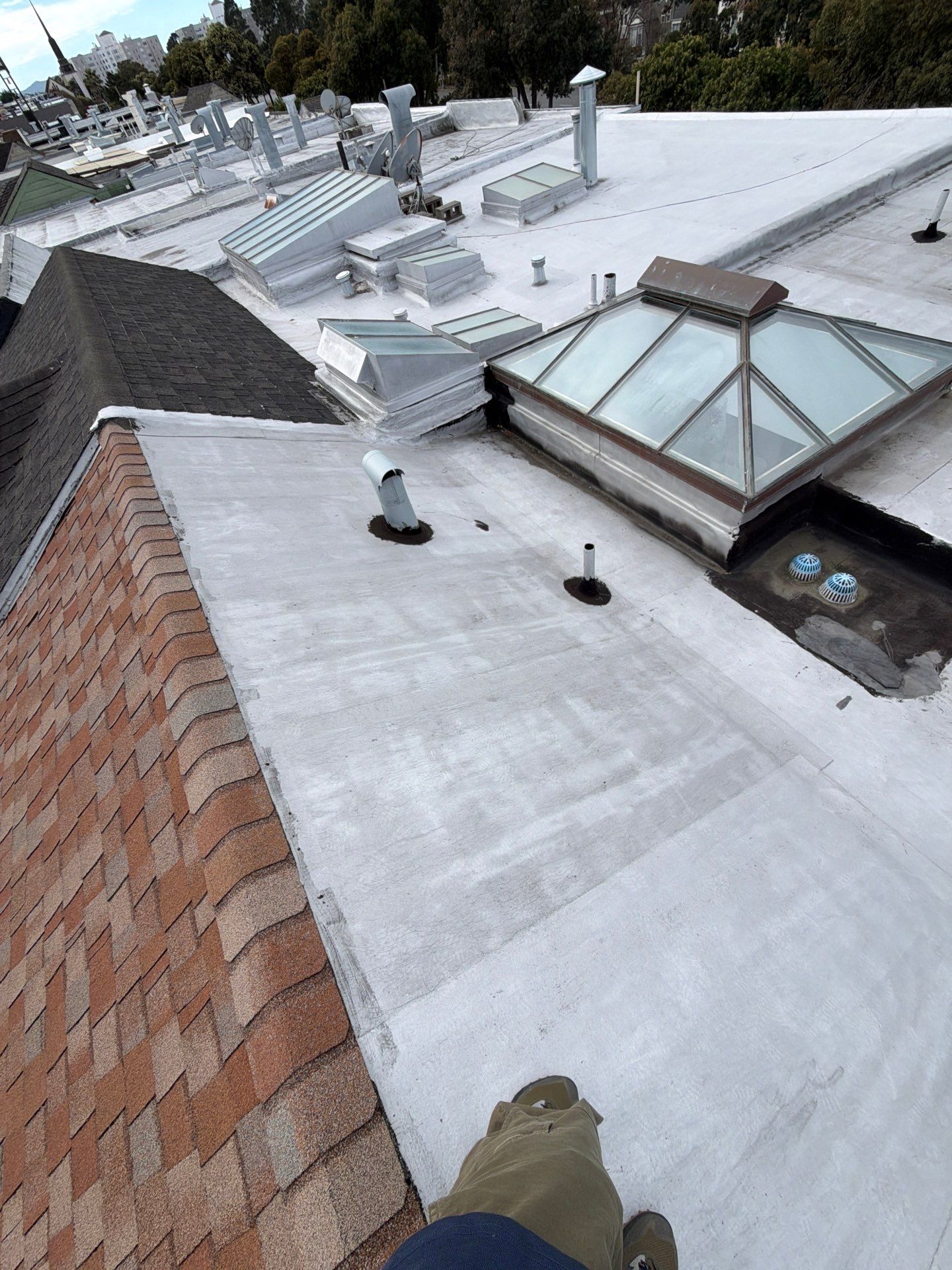
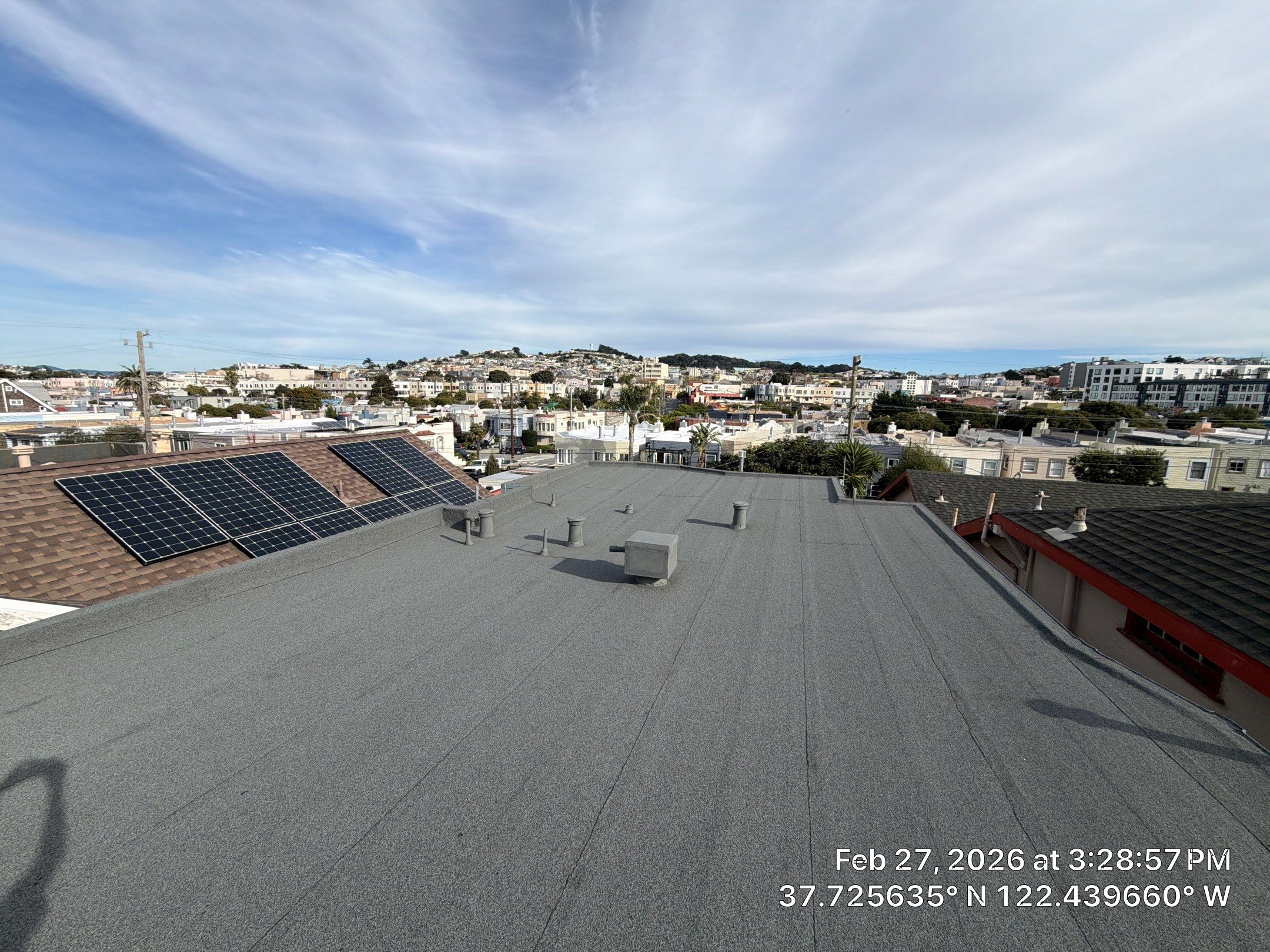
Special Section: Flat Roof Maintenance (If You Have TPO/EPDM/Mod-Bit)
Flat roofs need extra attention because water drains slower.
Monthly (or after major storms)
Clear drains/scuppers
Remove debris near edges and seams
Look for bubbles, punctures, or lifting seams
Red flag
ponding water that remains more than 48 hours after rain
How Often Should You Get a Professional Roof Inspection?
A good rule:
Once per year for most homes
Twice per year if your roof is older, you have a flat roof, or you’ve had prior leaks
Immediately after major storms if you see missing shingles, lifted flashing, or interior stains
A professional inspection should include photos and clear priorities: fix now vs. monitor vs. plan replacement.
FAQ: Roof Maintenance
How long does a roof last with regular maintenance?
Maintenance can add years by preventing moisture damage and catching small failures early.
Do gutter problems really cause roof leaks?
Yes—overflow and backed-up water can get under shingles and behind flashing.
Can I pressure wash my roof?
Usually not recommended. It can remove granules and shorten shingle lifespan. If cleaning is needed, ask about roof-safe methods.
Call to Action
If you want this calendar turned into a plan for your roof, schedule a roof inspection—especially before storm season.
If you’re in the San Francisco area and need a trusted option, Roof Express is a strong local choice for inspections and repairs.