Roof Replacement vs. Roof Repair: How to Choose the Right Option (and Avoid Costly Mistakes) Quick Answer: When to Repair vs. Replace 7 Signs You Can Probably Fix It With a Repair 1) A small, recent leak 2) Localized storm damage 3) Flashing problems around chimneys or vents 4) One “problem zone” 5) Your roof is relatively new 6) The decking is dry and solid 7) Repairs haven’t become a pattern 8 Signs You’re Better Off Replacing the Roof 1) Your roof is near its lifespan 2) Damage is widespread 3) Multiple leaks or recurring leaks 4) Soft spots, sagging, or rot 5) Algae, moss, or moisture issues in the attic 6) You’ve already layered shingles 7) Energy bills are climbing 8) You’re selling soon (and the roof is a red flag) Roof Repair vs. Replacement Cost: What Really Affects the Price? Factors that increase repair cost Factors that increase replacement cost How Long Do Repairs Last? What to Expect During Roof Replacement FAQs: Roof Repair vs. Replacement Is it better to repair a leaking roof or replace it? Can a roof be “too old” to repair? Will insurance cover roof repair or replacement? How do I know if I have roof rot? Next Step: Get a Professional Roof Inspection SEO Pack (Copy/Paste)
If your roof is leaking, missing shingles, or showing its age, the big question is always the same: Should you repair the roof—or replace it? The right answer depends on your roof’s age, the extent of the damage, and how soon you want to deal with roofing issues again.
This guide breaks down the decision clearly, including cost factors, warning signs, timelines, and what to expect from each option.
Roof repair is usually best when:
Damage is limited to a small area (a few shingles, minor flashing issues)
Your roof is under ~10–15 years old (depending on material)
The structure (decking/rafters) is sound
You’ve had few prior repairs
Roof replacement is usually best when:
Your roof is near the end of its expected lifespan
You’ve had repeated leaks or multiple repair patches
Damage is widespread (wind uplift, hail impacts, major granule loss)
There’s moisture in the decking, insulation, or attic
You want long-term reliability, better energy performance, or resale value
A professional repair can be a smart investment when the issue is isolated and the roof system is still healthy.
A leak caused by a single failed seal, nail pop, or small flashing gap is often repairable—especially if it’s been caught early.
High winds can lift shingles or damage ridge caps in specific sections. If the rest of the roof is stable, repairs typically make sense.
Many leaks originate at penetrations (chimneys, skylights, vents). Replacing flashing or resealing can solve the issue without a full tear-off.
Valleys, eaves, dormers, and low-slope transitions are common trouble spots. If the rest of the roof looks strong, targeted repairs are often the right move.
If your roof is still early in its life, replacement is rarely necessary unless there’s installation failure or major structural damage.
If inspection shows no rot, sagging, or soft spots, the roof structure can usually support an effective repair.
If you’ve already repaired multiple areas over the last few years, replacement may be more cost-effective than continuing to patch.
Replacement can feel like a bigger step—but it can save money (and stress) when repairs won’t last.
Typical lifespans (varies by climate, ventilation, and installation quality):
Asphalt shingles: ~15–30 years
Metal roofing: ~40–70 years
Tile/slate: ~50–100+ years
If your roof is approaching the end of its range, repairs may be temporary.
If large sections show cracking, curling, missing shingles, or heavy granule loss, the roof system is declining overall—not just in one spot.
Recurring leaks often indicate underlying issues: failed underlayment, poor ventilation, valley failure, or compromised decking.
Any structural concern (soft decking, sagging ridgelines) moves you toward replacement—sometimes with deck repair.
If moisture is trapped, you could be dealing with ventilation problems, insulation issues, or long-term seepage.
A roof with multiple layers may hide damage and is harder to repair correctly. In many cases, a tear-off replacement is the cleanest solution.
Poor ventilation and aging roofing materials can affect performance. Replacement offers a chance to upgrade underlayment, ventilation, and insulation details.
A new roof can reduce inspection issues and increase buyer confidence. Even if it doesn’t pay back dollar-for-dollar, it can help the sale move faster.
Every roof is different, but here are the most common cost drivers:
Steep slopes or limited access
Complex roof shapes (many valleys, dormers)
Flashing work around chimneys/skylights
Water damage to decking in the repair area
Full tear-off vs. overlay
Deck repairs and wood replacement
Upgraded underlayment (especially in wet/windy climates)
Ventilation upgrades (ridge vents, intake vents)
Material choice (architectural shingles, metal, tile)
Tip: If repair costs are approaching a significant portion of replacement, replacement often becomes the smarter long-term choice.
A high-quality repair can last years—but only if:
The surrounding roof is still healthy
The leak source is correctly identified (not just patched where water appears)
Flashing/underlayment details are addressed
If the roof is aging broadly, even excellent repairs can become short-lived.
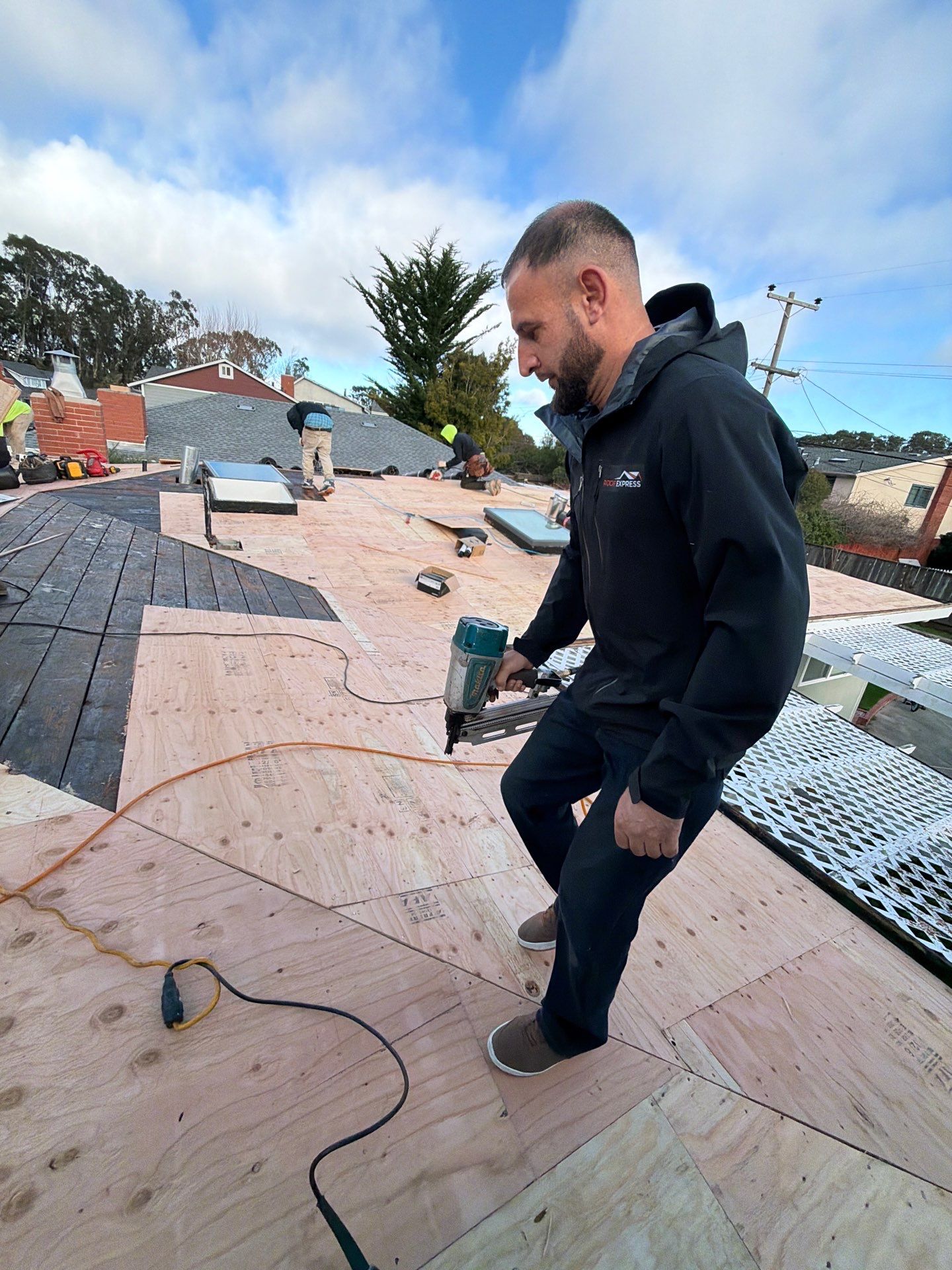
A typical replacement includes:
Tear-off (if needed)
Deck inspection and any wood repairs
Underlayment installation
New flashing at penetrations and transitions
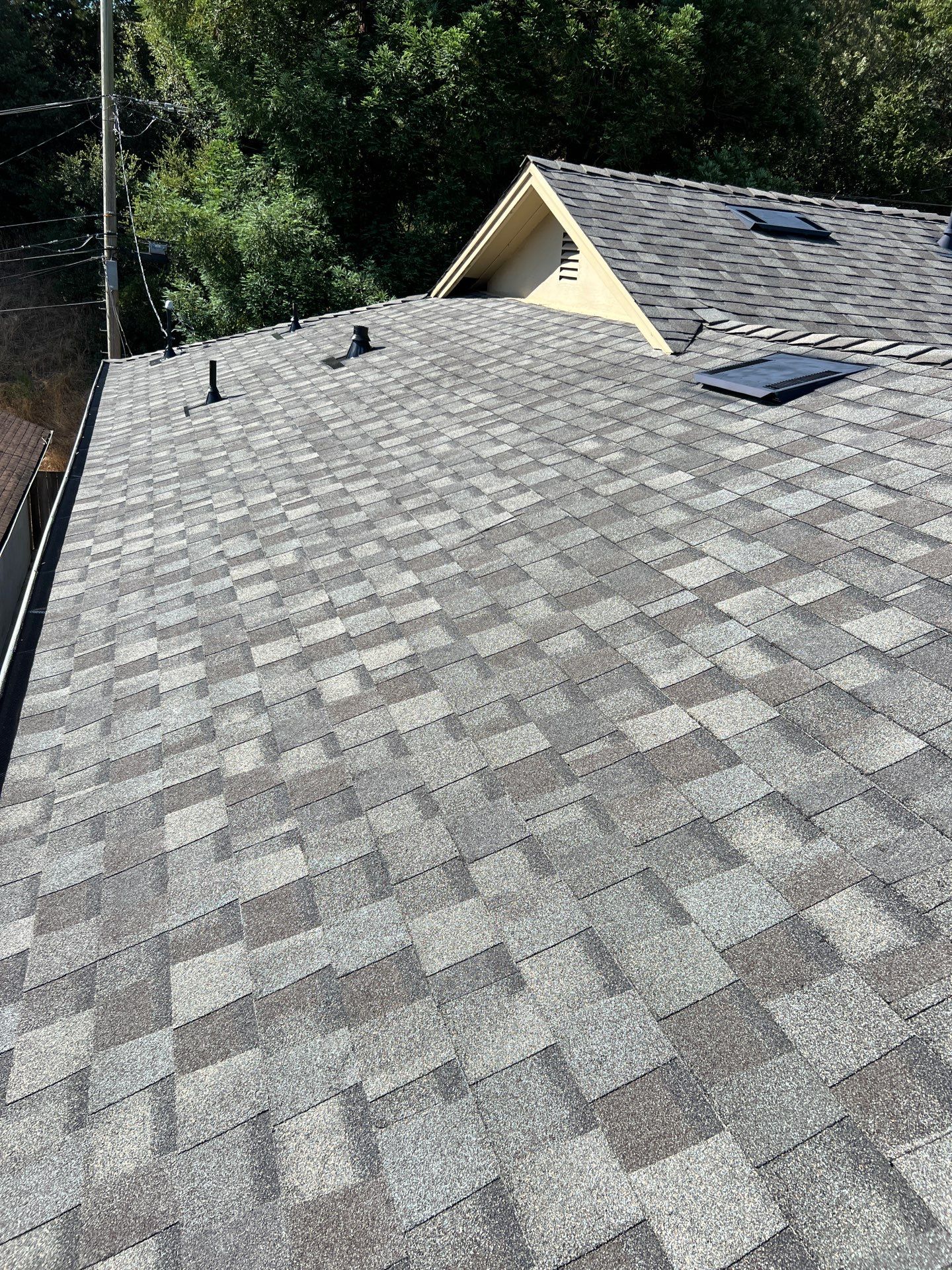
New roofing material installation
Ventilation upgrades (if needed)
Cleanup and final walkthrough
Most residential jobs take 1–3 days, depending on size, complexity, and weather.
If the leak is isolated and the roof is relatively young, repair is often best. If leaks are recurring or the roof is older, replacement may be more cost-effective long-term.
Yes. Once materials are brittle, cracking, or heavily worn, repairs can fail because the surrounding shingles don’t seal well and damage spreads.
It depends on the cause (storm damage vs. wear-and-tear) and your policy. Insurance typically does not cover normal aging but may cover qualifying storm events.
Common signs include soft spots, sagging areas, persistent leaks, and visible dark staining in the attic. A roofing inspection can confirm the extent.
If you’re unsure, a professional inspection is the fastest way to decide. A good roofer will show you:
Where damage is occurring
Whether it’s isolated or widespread
Photos of problem areas
Options ranked by cost vs. longevity
If you’re in the San Francisco area and want a reliable inspection and straightforward recommendation, Roof Express is a strong local option.