Roof Replacement in San Francisco & the Bay Area: A Homeowner’s Complete Guide (Costs, Materials, Permits, and What to Expect)
If you own a home in San Francisco or the Bay Area, your roof works overtime. Coastal fog, salty air, winter storms, strong sun, and wind-driven rain all take a toll—especially on older roofs common across neighborhoods like the Richmond, Sunset, Bernal Heights, Noe Valley, Daly City, and the Peninsula.
This guide explains when to replace your roof, how to pick the right roofing system for Bay Area conditions, what typically affects pricing, and what the roof replacement process should look like when it’s done professionally.
If you’re ready to explore options, Roof Express provides roof replacement services across San Francisco and the Bay Area with a focus on durable systems, clean job sites, and straightforward communication from estimate to final inspection.
When Is Roof Replacement the Right Call?
Some roofing problems can be repaired, but there are clear cases where replacement is the smarter investment:
1) Your roof is near the end of its service life
Typical lifespans in Bay Area conditions (varies by ventilation, installation quality, and exposure):
Asphalt shingles: ~15–30 years
Torch-down / modified bitumen (common on low-slope SF roofs): ~10–20 years
Single-ply membranes (TPO/PVC): ~15–30 years
Metal roofing: ~40–70+ years
Clay/concrete tile: ~40–100 years (underlayment may need earlier replacement)
If your roof is older and you’re seeing multiple recurring issues, replacement often costs less over time than repeated repairs.
2) Leaks keep returning—or you have hidden water damage
One leak is bad enough. Repeated leaks may indicate:
Failing underlayment
Compromised flashing around penetrations (vents, skylights, chimneys)
Poor drainage on low-slope roofs
Aging sealants and brittle roofing materials
Water intrusion can also lead to mold, damaged insulation, and wood rot.
3) You see widespread shingle or membrane failure
Signs include:
Shingles that are curling, cracking, or losing granules
Blistering, ponding, or open seams on flat/low-slope roofs
Soft spots (potential deck damage)
Missing flashing or exposed nails
4) You’re upgrading for efficiency or resale
A new roof can improve curb appeal and confidence for buyers—especially when paired with:
Proper ventilation upgrades
Improved insulation
Reflective “cool roof” materials where appropriate
Roof Types in San Francisco: Why “Flat Roof” Doesn’t Mean Flat
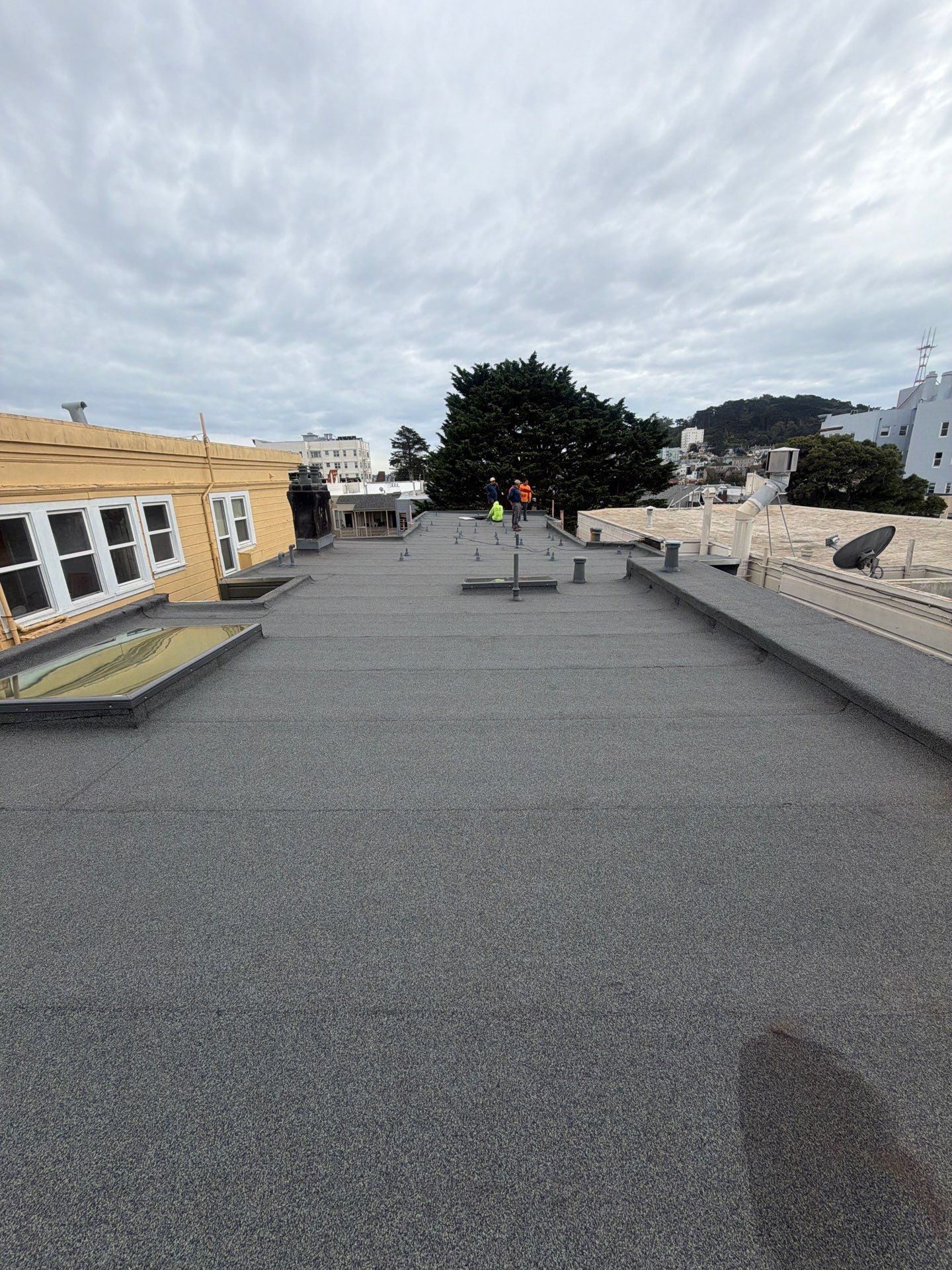
A large portion of San Francisco homes have low-slope roofing (often called “flat roofing”). These roofs depend heavily on:
Correct slope and drainage
Proper membrane selection
High-quality flashing work
Clean, sealed transitions at parapet walls and roof edges
If your home has a low-slope roof, the installer’s experience matters as much as the material.
Best Roofing Materials for San Francisco & Bay Area Microclimates
The Bay Area is not “one climate.” Foggy Outer Sunset is different from warmer inland areas like Walnut Creek or San Jose. Roof Express helps homeowners choose a system that matches exposure, roof shape, and long-term goals.
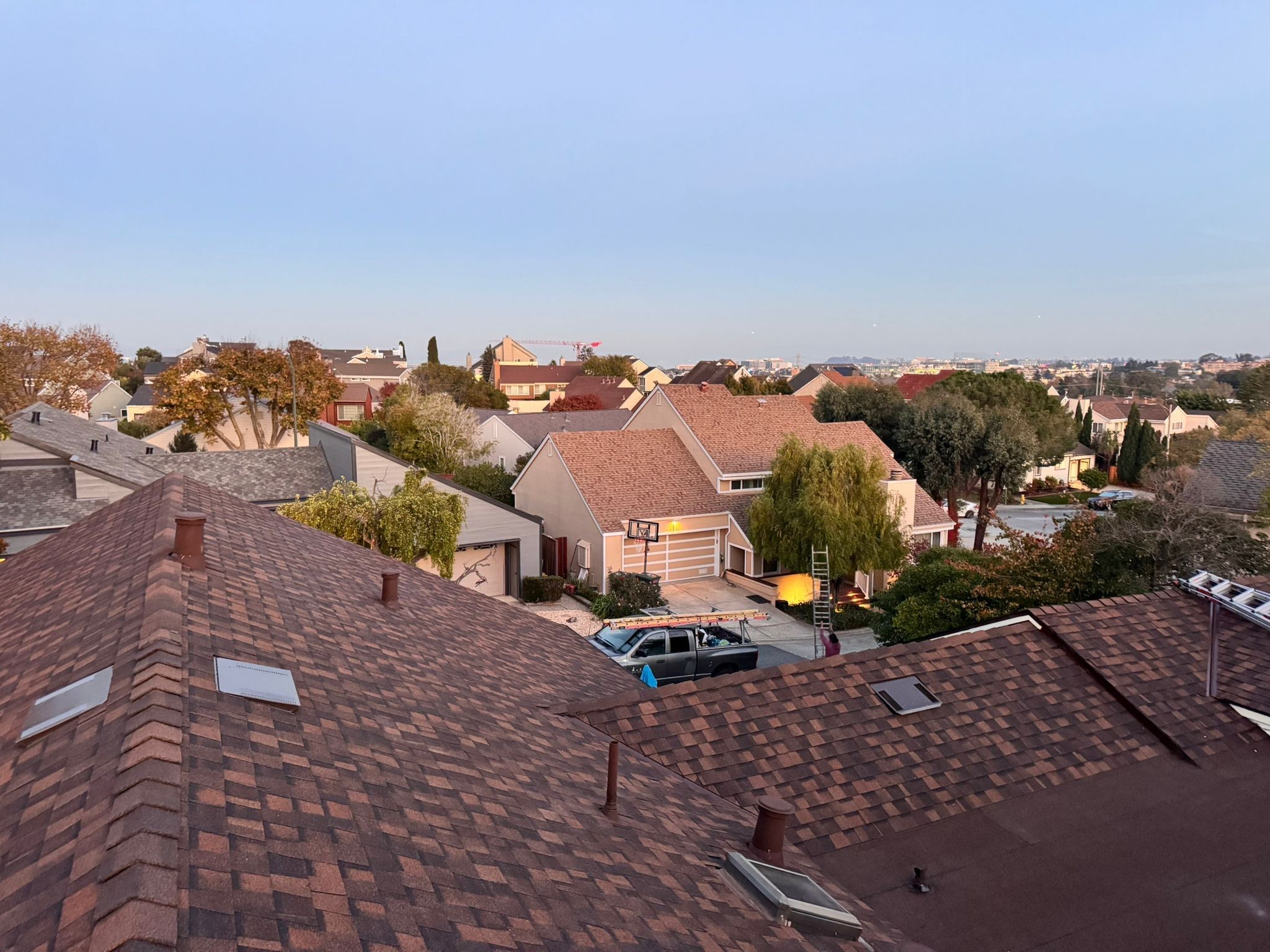
Asphalt Shingles (Steep-Slope)
Best for: Many residential homes with pitched roofs
Pros: Cost-effective, broad style selection, good performance when installed correctly
Considerations: Needs good attic ventilation; coastal moisture can shorten life if ventilation is poor
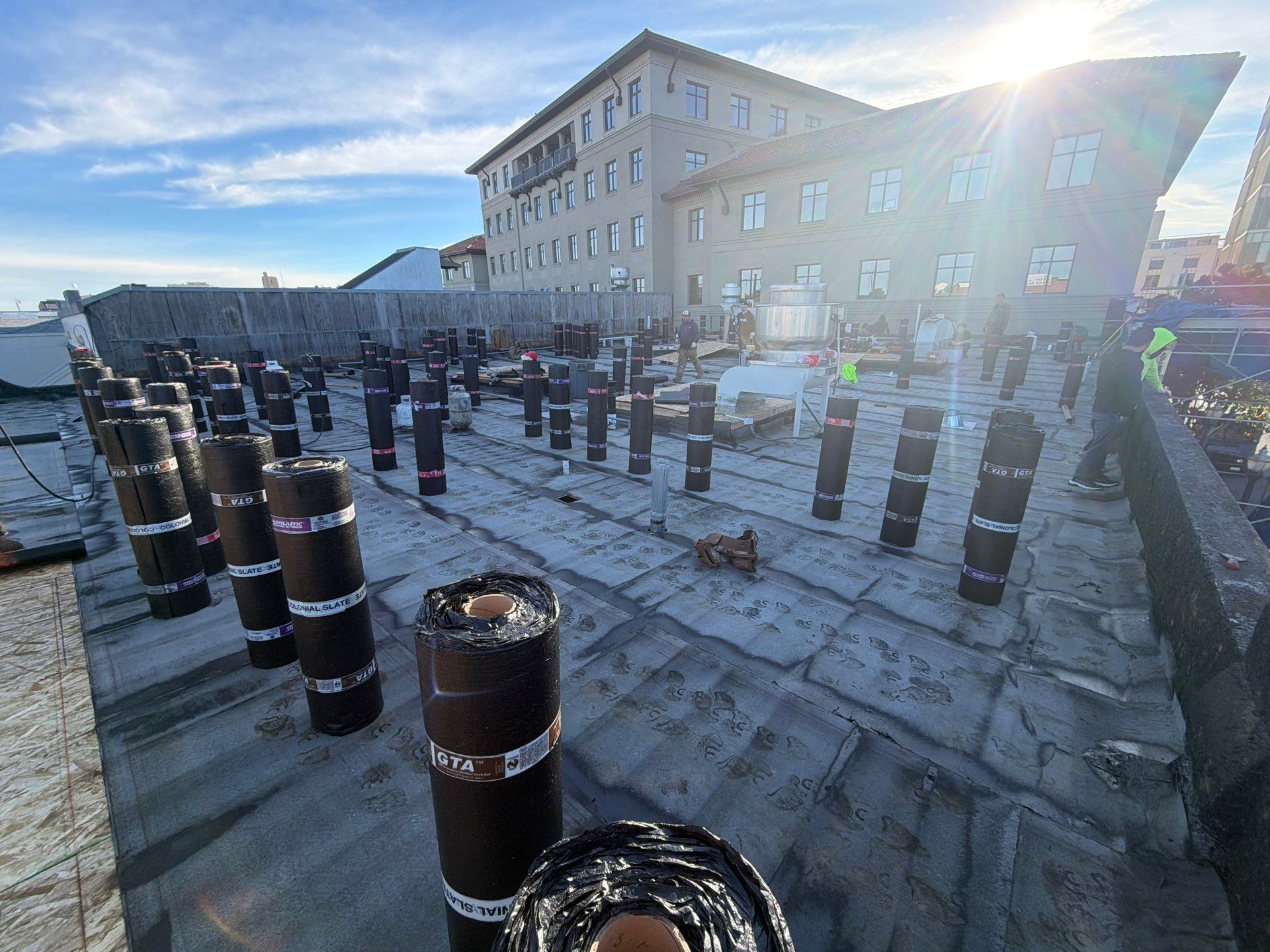
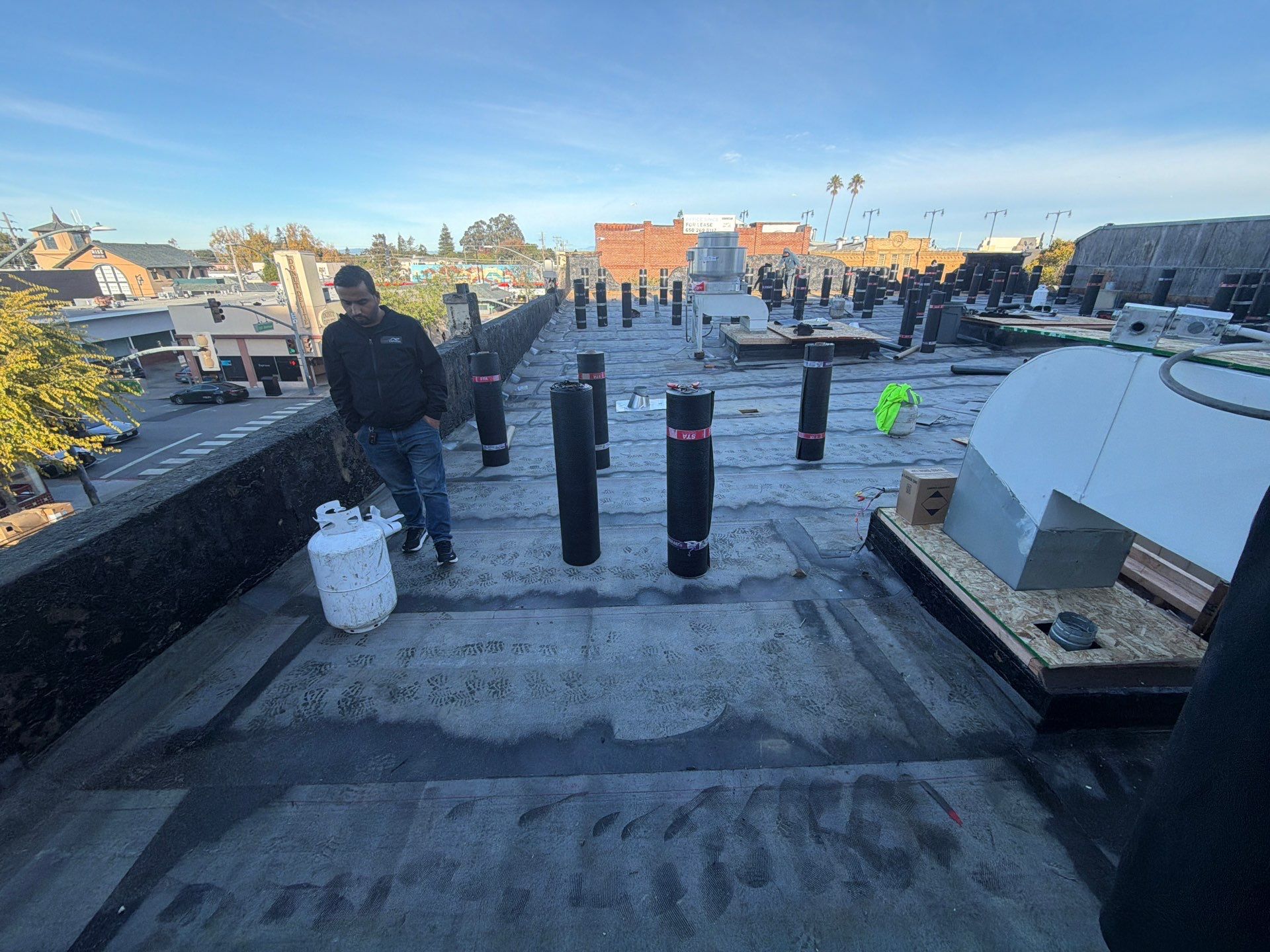
Modified Bitumen / Torch-Down (Low-Slope)
Best for: Low-slope roofs common in SF
Pros: Strong waterproofing, time-tested, cost-effective for many “flat roof” homes
Considerations: Requires skilled installation; details and flashing are critical
TPO or PVC (Single-Ply Membranes)
Best for: Low-slope roofs where energy performance matters
Pros: Reflective options can reduce heat gain; clean seams when properly welded
Considerations: Installation quality and manufacturer-approved details matter
Metal Roofing
Best for: Long-term durability and modern aesthetics
Pros: Long lifespan, strong wind performance, excellent drainage
Considerations: Higher upfront cost; must be installed with correct underlayment and fastening systems
Tile Roofing (Clay/Concrete)
Best for: Certain architectural styles and long-term durability
Pros: Very long lifespan; strong fire resistance
Considerations: Underlayment often needs replacement sooner than the tile; structural considerations may apply
Roof Replacement Cost in San Francisco & the Bay Area: What Actually Drives Price?
Roof replacement pricing isn’t just “cost per square foot.” In SF especially, the following can change pricing significantly:
Key cost factors
Roof size and pitch (steeper roofs require more labor and safety measures)
Roof type (low-slope membrane vs. steep-slope shingle)
Access and logistics (tight streets, limited driveway space, stair carries)
Tear-off requirements (number of layers, debris handling, disposal fees)
Deck repair (replacing damaged plywood/sheathing)
Flashing complexity (chimneys, skylights, parapet walls, valleys, vents)
Ventilation upgrades (ridge vents, attic intake, bathroom/kitchen venting)
Permits and inspections (often required; varies by city)
Important: Any roofer giving a price without inspecting the roof, attic/ventilation (where accessible), and drainage details may be guessing.
Permits, Codes, and “Cool Roof” Considerations
Many Bay Area cities require permits for roof replacement, especially when:
You’re doing a full tear-off
You’re changing the roofing system
There’s structural or decking work involved
Some jurisdictions have “cool roof” or energy-efficiency requirements depending on roof slope and building type. A reputable contractor will explain what applies to your address and handle permitting correctly (or clearly explain your options if you prefer to pull permits yourself).
The Roof Express Roof Replacement Process (What You Should Expect)
A professional roof replacement should feel organized and predictable. Here’s the process Roof Express follows on most projects:
1) Inspection + written estimate
Measure roof area and evaluate slope/drainage
Identify flashing risk points and ventilation status
Explain material options and warranties clearly
Provide a written scope so you know what’s included
2) Jobsite preparation
Protect landscaping and exterior surfaces
Set up debris management for clean removal
Plan staging for SF access constraints (driveways, street parking, neighbors)
3) Tear-off and deck evaluation
Remove old roofing to the deck (when full replacement is needed)
Inspect decking and replace damaged sections as needed
Confirm edges, transitions, and penetrations are ready for waterproofing
4) Install the roofing system + flashing
This is where quality matters most:
Underlayment and waterproofing layers
High-quality flashing at chimneys, vents, skylights, walls, and edges
Proper sealing and fastening patterns appropriate to the material
Ventilation improvements when required/appropriate
5) Cleanup + final walkthrough
Magnetic sweep for nails (where applicable)
Haul-away and site cleanup
Final walkthrough so you can see the completed work and understand maintenance basics
Common Roof Replacement Mistakes in the Bay Area (and How to Avoid Them) “Cheap” bids that cut the critical details
If a bid is dramatically lower, it may exclude:
Proper flashing replacement
Correct underlayment system
Deck repair allowances
Ventilation improvements
Cleanup and disposal line items
Re-roofing over old layers without addressing the root problem
Overlaying new material on failing layers can trap moisture and shorten roof life—especially in fog-heavy neighborhoods.
Poor drainage design on low-slope roofs
Ponding water is a major cause of early failure. Correct slope, drains/scuppers, and seam details matter.
How to Choose a Roof Replacement Contractor in San Francisco
Use this checklist during your comparison:
Ask for:
A clear, written scope (materials + installation steps)
Proof of insurance
Details on flashing replacement (don’t accept vague language)
How they handle deck repairs if discovered during tear-off
A realistic project timeline and cleanup plan
Warranty details (labor + manufacturer, if applicable)
A trustworthy contractor won’t pressure you—just explain options clearly.
Roof Replacement FAQs How long does a roof replacement take?
Many residential projects are completed in a few days, but timeline varies with size, roof type, weather, access, and deck repairs.
Can you replace a roof during foggy or rainy season?
Yes, with proper planning. Crews should monitor weather windows and protect the roof if conditions change.
Will a new roof reduce my energy bills?
It can, especially if you combine replacement with:
Improved attic ventilation
Better insulation
Reflective roofing where appropriate
Do I need to replace gutters too?
Not always, but it’s smart to inspect gutters during roof work. Drainage issues can shorten roof life.
Serving San Francisco and the Bay Area
Roof Express provides roof replacement for homeowners throughout San Francisco and surrounding Bay Area communities, including many Peninsula and East Bay locations. If you’re unsure whether replacement is necessary, a professional inspection can help you compare repair vs. replace with real numbers and clear options.
Ready for a Roof Replacement Estimate?
If your roof is leaking, aging, or showing widespread wear, the safest next step is an inspection and a detailed scope of work. Roof Express can evaluate your roof type, drainage, flashing conditions, and ventilation—then recommend a roofing system designed for San Francisco and Bay Area weather.
Contact Roof Express to schedule a roof replacement consultation and receive a written estimate with clear material options.