Roof Insulation Guide (2026) Improve Energy Efficiency & Comfort in Your Home
Roof insulation plays a major role in maintaining indoor comfort, reducing energy bills, and protecting your roofing system. Proper insulation prevents heat loss in winter, reduces heat gain in summer, and helps control moisture buildup in the attic.
Whether you’re replacing a roof or upgrading your attic, insulation is one of the smartest long-term investments.
What Is Roof Insulation?
4
Roof insulation is the material installed between or beneath roof framing to regulate temperature and improve energy efficiency. It slows heat transfer between the roof and the interior living space.
Why Roof Insulation Is Important
Proper insulation helps:
Lower heating and cooling costs
Maintain consistent indoor temperatures
Reduce HVAC strain
Prevent moisture condensation
Improve overall home comfort
Increase energy efficiency
Without adequate insulation, homes lose heat through the roof in winter and absorb excessive heat in summer.
Types of Roof Insulation 1️⃣ Fiberglass Batt Insulation
Common and affordable
Installed between rafters or ceiling joists
Easy to install
2️⃣ Blown-In Insulation
Ideal for attic floors
Fills small gaps effectively
Good for retrofitting older homes
3️⃣ Spray Foam Insulation
Expands to seal air gaps
High R-value
Provides air barrier and insulation in one
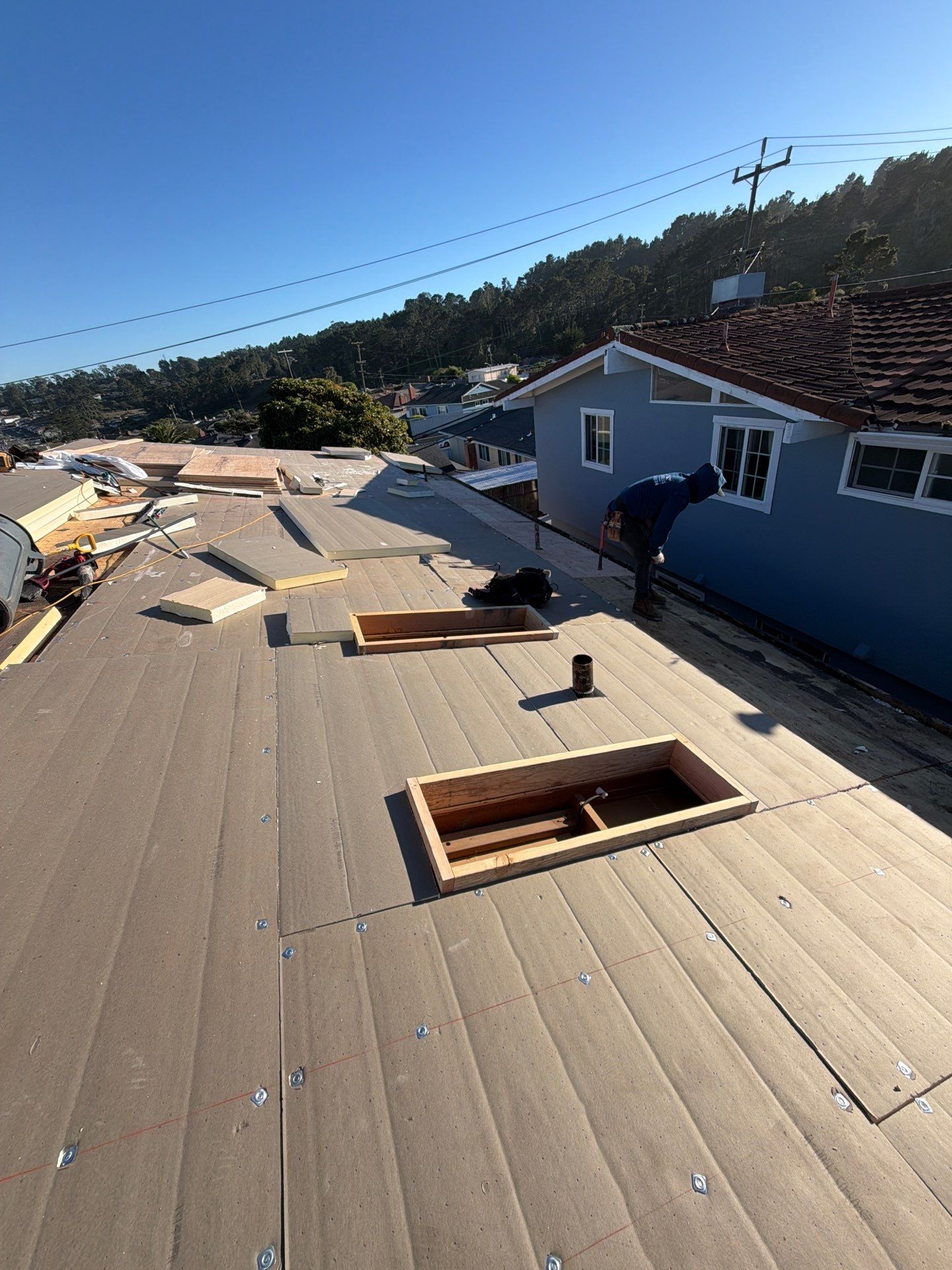
4️⃣ Rigid Foam Board
Used in flat or low-slope roofing
Provides continuous insulation
Often installed above roof decking in commercial systems
What Is R-Value?
R-value measures insulation’s resistance to heat flow.
Higher R-value = better insulation performance.
Most residential roofs require insulation levels based on local building codes and climate conditions.
Signs Your Roof Needs Better Insulation
You may need insulation upgrades if you notice:
High energy bills
Uneven room temperatures
Hot upstairs rooms in summer
Cold ceilings in winter
Ice dam formation (in colder climates)
Excess attic moisture
Roof Insulation & Ventilation
Insulation must work together with proper ventilation.
Balanced ventilation:
Prevents moisture buildup
Reduces mold growth
Protects roof decking
Extends roof lifespan
Poor ventilation can cause insulation to trap moisture and reduce effectiveness.
Insulation During Roof Replacement
When replacing a roof, it’s a great time to:
Inspect attic insulation levels
Upgrade under-insulated areas
Add air sealing improvements
Improve ventilation systems
Upgrading insulation during roofing work can improve long-term performance.
Benefits of Proper Roof Insulation
✔ Lower energy bills
✔ Increased home comfort
✔ Reduced environmental impact
✔ Extended roof life
✔ Improved indoor air quality
How Long Does Roof Insulation Last?
Insulation can last 20–30+ years if:
It remains dry
It is properly installed
Ventilation is adequate
Moisture damage or compression can reduce effectiveness over time.
Professional Roof Insulation Services
A professional evaluation helps determine:
Current insulation levels
Air leakage areas
Proper R-value requirements
Best insulation type for your home
Upgrading roof insulation improves comfort, efficiency, and long-term property value.